
Mobile home running costs: a first buyer's guide
Learn about mobile home running costs for first buyers. Understand upfront expenses and ongoing fees to ensure a comfortable budget.
Mobile home running costs: a first buyer’s guide
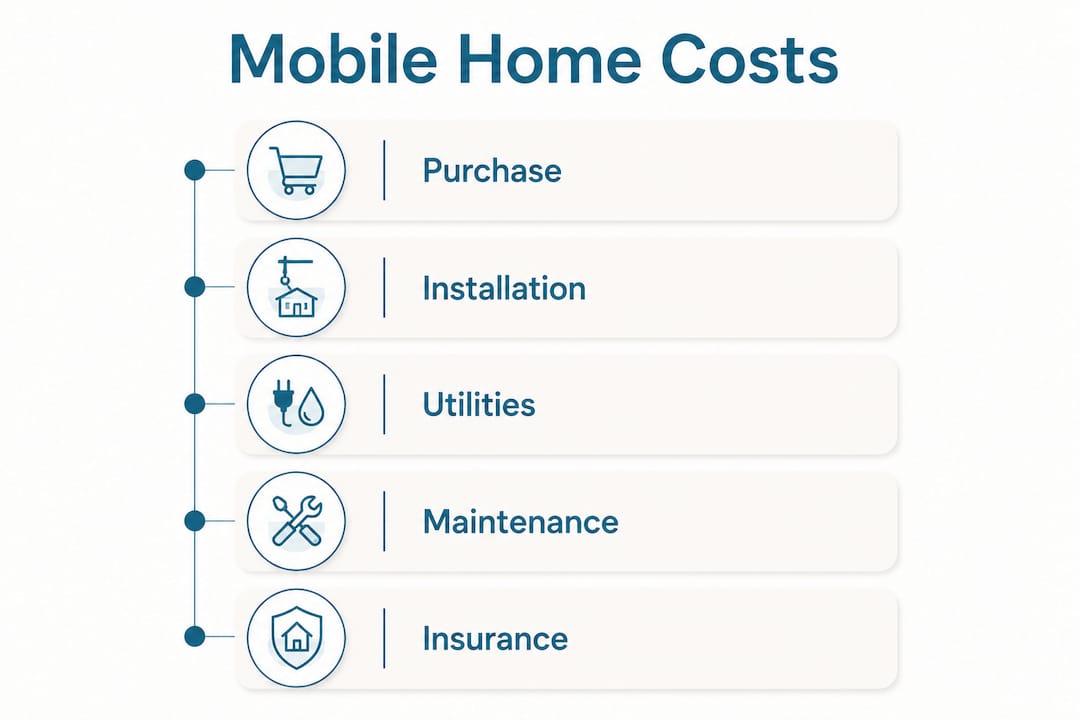
Buying a mobile or park home in the UK costs far more than the sticker price suggests. First-time buyers face two distinct layers of expense: upfront costs and ongoing running costs that accumulate every year. Getting both layers right before you commit is the difference between a comfortable lifestyle and a stretched budget.
Upfront costs to expect:
- Purchase price (new or pre-owned)
- VAT rates vary depending on whether the mobile home is classified as residential or holiday use, significantly affecting the upfront tax cost
- Transport and delivery: costs vary widely depending on distance and home size
- Siting, levelling, and groundwork: these preparatory costs depend on site specifics and requirements
- Utility connections (water, electricity, sewage)
- Permits, inspections, and engineering reports
- Solicitor fees and plot deposit
Ongoing running costs to budget for:
- Park pitch fees: £160–£600+ per month (can exceed £1,000 in prime locations)
- Utilities: water, electricity, gas, and internet
- Annual insurance: depends on location and home specifics, including flood and coastal risk
- Maintenance reserve: advisable to set aside an annual budget proportional to the home’s value for upkeep and unexpected repairs
- Council Tax (for permanent residential homes)
First-time buyers who overlook setup and ongoing fees often find those costs can double or triple their initial investment over time. The sections below break down each category so you can plan with confidence.
VAT and tax: what do mobile home buyers actually pay?
VAT treatment on mobile homes depends entirely on how the home is classified, and the difference is significant. Residential-spec mobile homes attract 5% VAT, while holiday or non-residential models are subject to the standard 20% rate. On a £60,000 home, that gap is £9,000 in tax alone.
Key tax points for first-time buyers:
- Residential vs holiday classification: The home’s legal designation determines VAT rate. Always confirm this with the seller before exchanging.
- Council Tax: Permanent residential park homes are subject to Council Tax, billed to the occupant just as with a conventional house. Holiday homes are generally exempt.
- Stamp Duty Land Tax: Mobile homes on leased land are typically classified as personal property rather than real estate, so SDLT usually does not apply. Confirm with a solicitor.
- Property taxes on owned land: If you own the plot beneath your home, property taxes apply. If you rent the pitch, you pay pitch fees instead.
Understanding your home’s classification upfront avoids an expensive surprise at the point of purchase.
Transport, siting, and groundwork: the costs buyers often miss
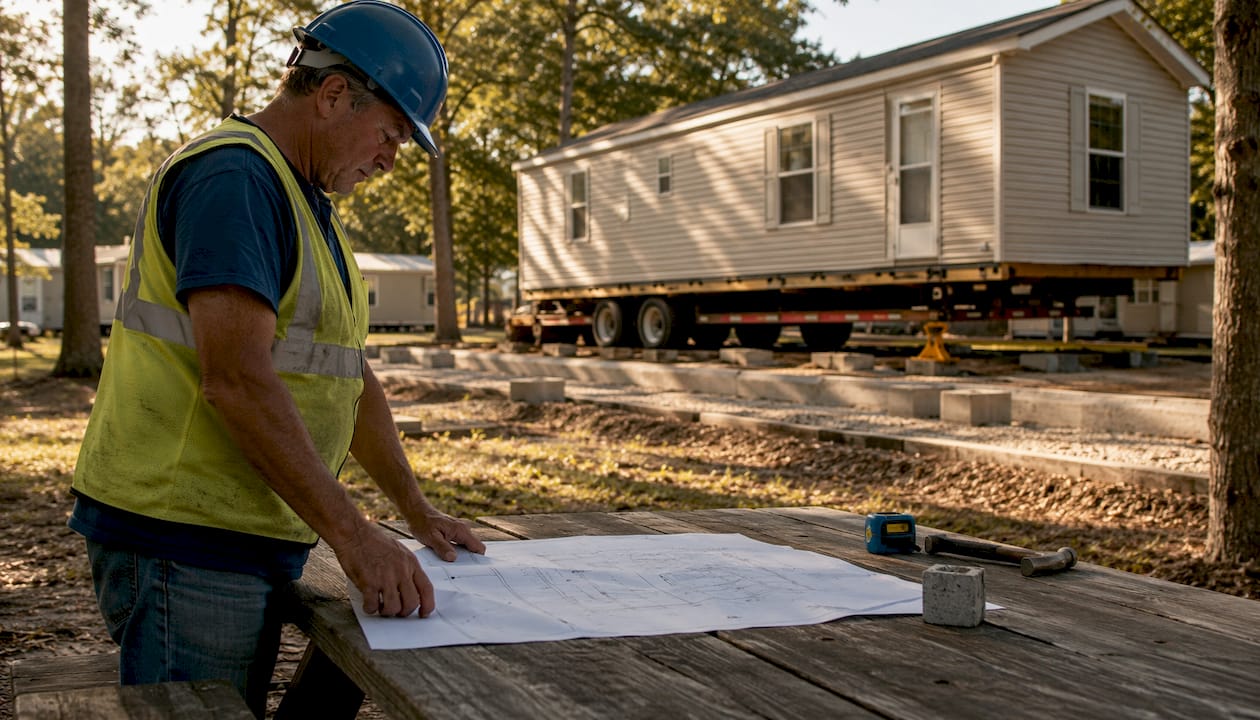
Moving a mobile home to its pitch and preparing the ground beneath it can add a substantial sum on top of the purchase price. Professional transport costs typically run £2,000–£8,000, depending on distance, home size, and road access. Siting and groundwork add a further £1,000–£5,000.
What these costs cover:
- Transport: Haulage fees, fuel, road permits, and any partial disassembly required for double-wide models
- Levelling and blocking: The home must sit perfectly level; poor levelling causes structural problems over time
- Anchoring and tie-downs: Most parks and building codes require the home to be secured against wind and movement
- Skirting installation: Skirting seals the gap between the home’s base and the ground, protecting against cold air, pests, and moisture
- Land preparation: Clearing, grading, and compacting the ground before the home arrives
- Permits and inspections: Professional engineer certification and planning permits add to the total
Some parks require you to use their approved contractors for installation, which limits your ability to shop around. Ask about this before you sign any agreement.
Utility connections and monthly bills: what to budget
Connecting a mobile home to mains services is one of the most variable costs in the whole process. The price depends on how far the home sits from existing infrastructure, and in rural locations the runs can be long. Utility hookup costs for water, electricity, and sewage can vary widely depending on site infrastructure and whether well or septic installation is needed.
Typical utility connection costs:
- Water and sewage: Municipal connection is generally less expensive; a private well and septic system costs considerably more
- Electricity: Connecting to the grid involves metering, cabling, and safety certification
- Gas: Not all parks offer mains gas; LPG tank installation is the common alternative
- Internet: Most parks have broadband infrastructure, though speeds and costs vary
Ongoing monthly bills to plan for:
- Electricity: varies with home size and season
- Water: often included in pitch fees at managed parks
- Gas or LPG: higher in winter months
- Internet and phone: typically billed separately
Some parks bundle water and waste collection into the monthly pitch fee. Read your pitch agreement carefully to understand exactly what is and is not included, as this affects your true monthly outgoings significantly.

Insurance, maintenance, and additional fees to anticipate
Mobile home insurance is not optional. Annual premiums typically run £600–£1,200, depending on the home’s age, location, and the level of cover chosen. Coastal or flood-prone sites push premiums higher, so check your site’s flood risk before committing. For a practical overview of what cover you actually need, the mobile home insurance guide from Caravansinfrance covers the essentials clearly.
Additional fees first-time buyers should budget for:
- Maintenance reserve: Set aside 1–2% of the home’s purchase price each year for routine upkeep and unexpected repairs
- Plot deposit: Many parks require a deposit when you take on a pitch
- Solicitor fees: Legal advice on the pitch agreement is strongly recommended for first-time buyers
- Park association dues or HOA-style fees: Some parks charge monthly community fees on top of pitch rent, covering road maintenance, communal areas, and landscaping
- Mandatory upgrades: Park management rules can require owners to carry out specific maintenance, landscaping, or cosmetic upgrades at their own expense
Pitch fees themselves typically range from £200 to £800 per month, though prime locations can exceed £1,000. Many parks raise fees annually, and there is no legal cap on how much they can increase, so factor in a realistic annual rise when projecting your long-term costs.
Expert budgeting advice for first-time mobile home buyers
The single most common mistake first-time buyers make is focusing on the purchase price and ignoring everything else. Total cost of ownership calculations, which include cumulative pitch fee increases and maintenance, give a far more accurate picture of affordability than the headline figure.
Practical budgeting steps:
- Add up all known upfront costs before you agree to anything: purchase price, VAT, transport, siting, utility connections, permits, and legal fees
- Build a maintenance reserve of 1–2% of the purchase price annually and treat it as a non-negotiable line in your budget
- Model pitch fee increases over 5, 10, and 20 years. A fee rising at 3–5% yearly compounds quickly
- Compare financing options carefully. Chattel loans, the most common financing route for mobile homes on leased land, cost borrowers around 4.4 percentage points more annually than traditional mortgages. On an £80,000 loan, that adds roughly £2,000 per year
- Read the pitch agreement in full before signing. Park rules can impose costs you did not anticipate, from approved contractor requirements to landscaping standards
Pro Tip: Calculate your total expected ownership cost over ten years, not just year one. Add the purchase price, all setup costs, ten years of pitch fees (with annual increases), insurance, utilities, and maintenance. That single figure tells you far more than the asking price ever will.
Depreciation and resale value: what first-time buyers should know
Mobile homes generally depreciate over time, unlike most bricks-and-mortar properties. The rate of depreciation depends on the home’s age, condition, location, and whether it sits on owned or leased land. Homes on leased pitches tend to lose value faster because the buyer is purchasing the structure only, not the land beneath it.
A few realities worth understanding before you buy:
Older homes depreciate more steeply, and at some point the cost of renovation approaches the price of a newer model. Resale is also constrained by the park itself. Many parks have approval rights over who can buy a home on their site, which limits your pool of potential buyers. Some parks also charge a commission on resale transactions, typically a percentage of the sale price.
The practical implication: do not buy a mobile home expecting it to grow in value the way a traditional property might. Buy it for the lifestyle and the lower cost of entry, and treat any resale proceeds as a bonus rather than a plan.
Typical repairs and unexpected maintenance costs
Routine maintenance on a mobile home covers much the same ground as a conventional house, but some components are specific to the format. Roofs, skirting, underbelly insulation, and HVAC systems all need regular attention. Skirting alone can cost £800–£3,000 to replace, depending on the home’s size and the materials used.
Unexpected costs that catch owners off guard include:
- Roof repairs or replacement: One of the larger single expenses, particularly on older homes
- Plumbing leaks: Pipes running beneath the home are exposed to cold and movement, making them more vulnerable than in a conventional build
- Pest control: The space beneath a mobile home can attract rodents and insects. Regular treatment is a practical necessity in many locations
- HVAC servicing: Heating and cooling systems need annual checks to run efficiently
Setting aside 1–2% of the purchase price annually as a repair fund means you are rarely caught short.
Energy efficiency and the savings it can unlock
Mobile homes built to modern standards are considerably more energy-efficient than older models. Double-glazed windows, improved wall insulation, and energy-rated heating systems all reduce monthly bills noticeably. If you are buying a pre-owned home, the age and specification of these features directly affects what you will pay to heat and power it each winter.
Practical upgrades that pay back over time:
- Roof and underbelly insulation: Heat loss through the floor and roof is the biggest efficiency problem in older mobile homes
- Double or triple glazing: Reduces draughts and heat loss, particularly in coastal or exposed locations
- Energy-efficient heating: Modern heat pumps or high-efficiency gas boilers cut running costs compared with older electric storage heaters
- LED lighting and A-rated appliances: Small changes that add up across a full year
A well-insulated, modern mobile home can be genuinely affordable to run. An older, poorly insulated one can cost as much to heat as a small traditional house. When comparing pre-owned options, ask for energy performance information and factor heating costs into your monthly budget.
How mobile home costs compare to traditional home ownership
The upfront cost of a mobile home is substantially lower than buying a conventional house in the UK. You avoid Stamp Duty Land Tax in most cases, mortgage requirements are lower, and the purchase price itself is a fraction of the average UK house price. For first-time buyers priced out of the conventional market, that gap is the whole point.
The ongoing picture is more nuanced. Pitch fees replace mortgage interest as your largest monthly commitment, and unlike a mortgage, they do not build equity. Insurance costs are comparable to a small house. Maintenance costs are similar in percentage terms, though the absolute figures are lower because the home’s value is lower.
Where mobile homes genuinely win on cost is in the absence of ground rent escalation clauses, leasehold complications, and the legal costs associated with conventional property transactions. The buying process is simpler, faster, and cheaper to execute. For buyers who want a place in the sun without the weight of a traditional mortgage, the cost profile of a mobile home makes a compelling case, provided you go in with a clear picture of every line item.
Key takeaways
Mobile home ownership in the UK is affordable at entry but requires careful budgeting across upfront setup costs, ongoing pitch fees, and annual maintenance to avoid financial strain.
| Point | Details |
|---|---|
| VAT varies by classification | Residential-spec homes attract 5% VAT; holiday-spec homes attract 20%, a difference of thousands of pounds. |
| Pitch fees rise annually | Fees of £160–£600+ per month can increase 3–5% yearly with no legal cap, compounding significantly over time. |
| Chattel loans cost more | These loans cost around 4.4 percentage points more annually than traditional mortgages, adding roughly £2,000 per year on an £80,000 loan. |
| Build a maintenance reserve | Set aside 1–2% of the purchase price each year to cover routine repairs and unexpected costs. |
| Mobile homes depreciate | Unlike bricks-and-mortar property, mobile homes generally lose value over time, especially on leased land. |
A simpler path to ownership with Caravansinfrance

If the idea of a mobile home appeals but the complexity of the UK market feels daunting, Caravansinfrance offers a genuinely different experience. Pre-owned mobile homes at Camping Les Prairies du Lac in the Vendée come ready to move into, with no hidden legal fees, no property taxes, and a transparent buying process from start to finish. The site’s coastal microclimate, heated pools, and community atmosphere make it a natural choice for buyers who want the lifestyle without the paperwork.
Browse the available homes in Vendée to see current listings with clear pricing, or explore the campsite and its amenities to get a feel for the community. For buyers working through their first purchase, the pre-owned mobile home buying checklist from Caravansinfrance walks you through every step with the same clarity this guide has aimed to provide.