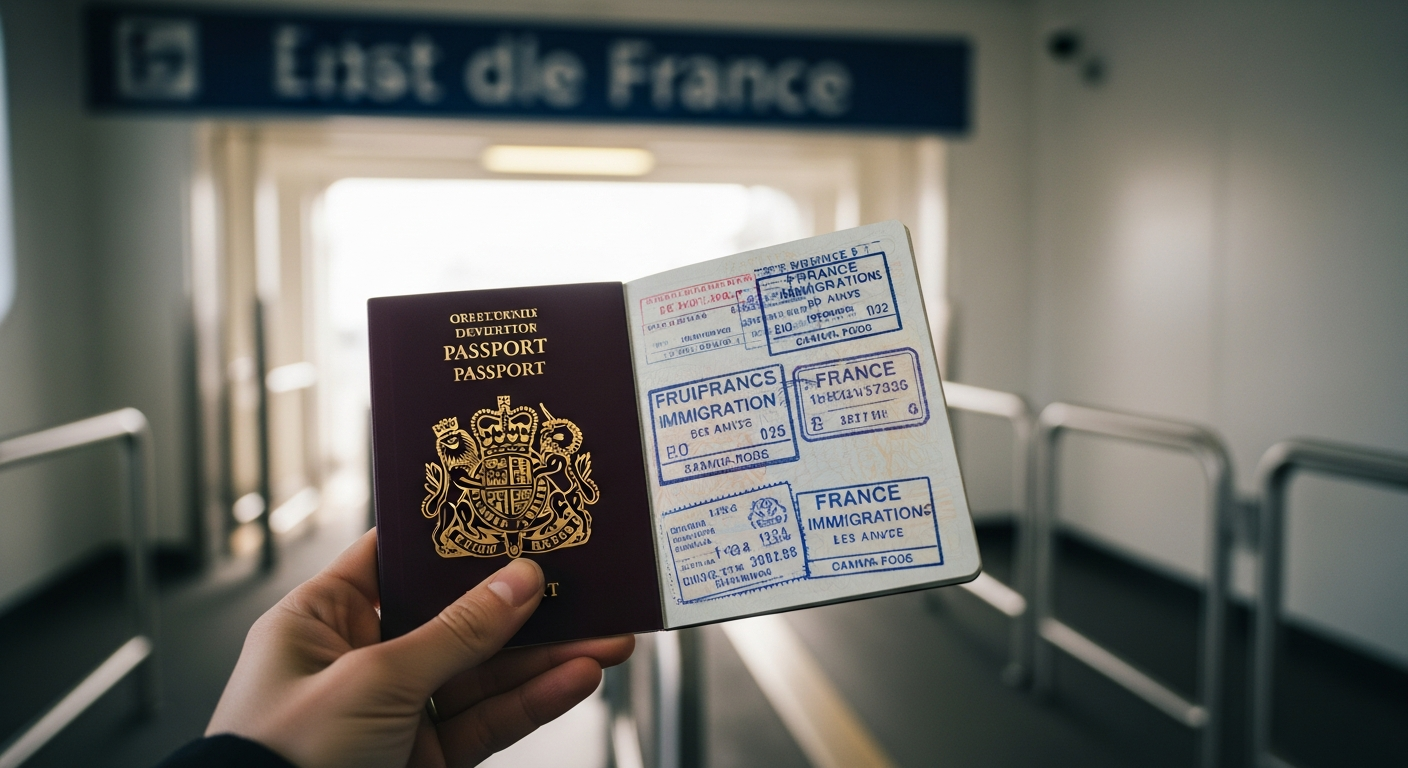
Moving to France as a Non-EU Immigrant: What You Need to Know
A practical step-by-step guide for British, American, Australian and other non-EU nationals looking to make the move to France — visas, residency, banking, and everything in between.
Moving to France as a Non-EU Immigrant
Since Brexit, British nationals joining the many Americans, Australians, Canadians, and other non-EU citizens who dream of life in France must navigate a new set of rules. Here's what you need to know.
Visas and Long Stays
For stays longer than 90 days, non-EU nationals require a long-stay visa (visa de long séjour). The most common for retirees or those with passive income is the "visiteur" visa, which requires proof of sufficient financial means and health insurance.
The Residency Card (Carte de Séjour)
Once you arrive, you'll apply for a Carte de Séjour at your local Préfecture. This is your key document. Processing times vary, so apply early and keep copies of everything.
Opening a French Bank Account
This is often cited as the biggest challenge. You'll need a French address before most banks will accept you. Some expats start with online banks like N26 or Wise while they get established.
Healthcare Registration
Once resident, you can register with the French social security system (CPAM) and access the state healthcare system. Many expats also take out a top-up insurance policy (mutuelle).
Property vs Mobile Home
One of the most popular entry points into French life for non-EU nationals is owning a mobile home on a campsite. It requires no French mortgage, no notaire fees, and gives you a legal residential base while you navigate longer-term plans.
Owning a Mobile Home on a Campsite
Purchasing a mobile home on a licensed campsite like Les Prairies du Lac in Apremont is an excellent first step. You own the structure but rent the pitch, keeping costs low and flexibility high.