How families manage campsites: roles and responsibilities
Explore the vital role of campsite management families in ensuring smooth operations, from guest relations to maintenance and staff management.
How families manage campsites: roles and responsibilities
Running a family campsite is a genuine lifestyle commitment, not simply a business venture. The role of campsite management families spans guest liaison, daily maintenance, financial oversight, staff coordination, and long-term strategic planning, often around the clock, particularly during the early years of operation. Here is a clear picture of what that actually involves:
- Guest liaison: welcoming arrivals, handling complaints, and maintaining a warm, approachable presence on site
- Maintenance and upkeep: cleaning facilities, repairing equipment, and keeping outdoor areas tidy and safe
- Administration: managing bookings, financial records, supplier relationships, and legal compliance
- Staff management: recruiting, rostering, and supervising seasonal workers or volunteers
- Children’s contributions: age-appropriate tasks such as litter picking, helping at reception, or assisting with activity programmes
- Strategic planning: setting seasonal goals, reviewing pricing, and planning site improvements
- Legal and safety compliance: maintaining licences, conducting risk assessments, and meeting fire safety and environmental standards
What does a typical day look like for families running a campsite?
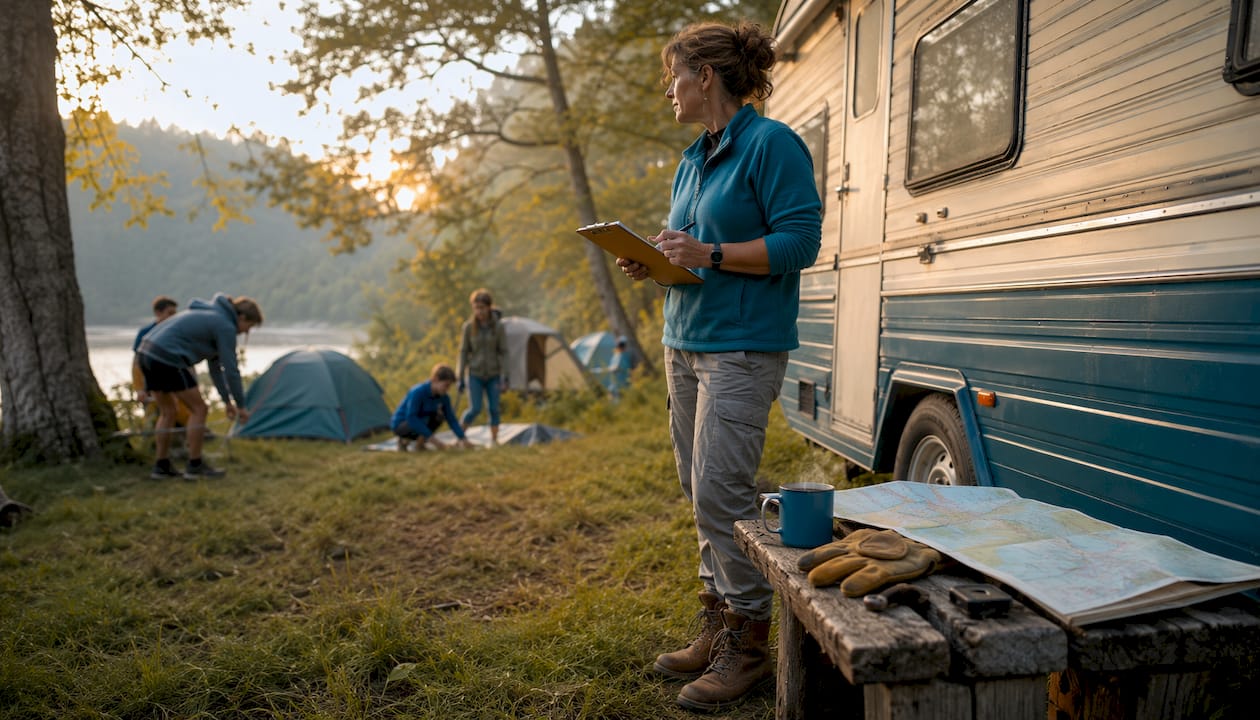
The daily rhythm of a family-run campsite rarely follows a tidy schedule. Mornings usually begin with facility checks, cleaning toilet and shower blocks, and preparing pitches for incoming guests. Afternoons shift to welcoming arrivals, resolving maintenance issues, and monitoring bookings and revenue. Evenings often involve a final site walk and responding to late queries.
Children can take on real responsibility here. Litter picking, helping fold leaflets, or greeting guests alongside a parent builds both confidence and a genuine sense of ownership. Older teenagers sometimes manage social media accounts or assist with activity bookings.
Financial tasks run alongside the physical work. Monitoring daily revenue, reconciling booking platforms, and reviewing expenditure against budget are jobs that tend to fall to whichever family member has the strongest head for numbers. Leaving these tasks until the end of the week creates backlogs that compound quickly.
Health and safety duties are non-negotiable. Checking fire extinguisher access, inspecting play equipment, and recording any incidents must happen consistently, not just when an inspector is expected.
Pro Tip: Prioritise the tasks that directly affect the guest experience first each morning. A clean shower block and a warm welcome at check-in do more for repeat bookings than a perfectly weeded flower bed.
What does the warden role involve in a family campsite?
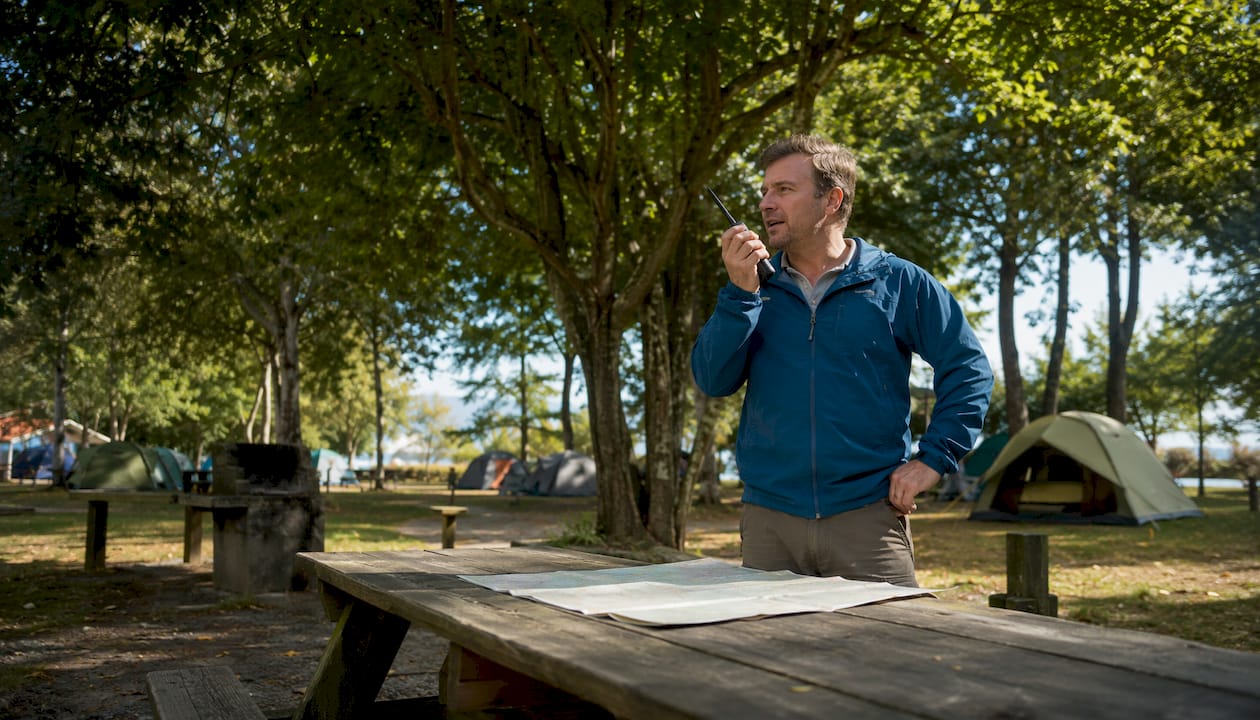
The family member acting as primary campsite warden carries the broadest set of responsibilities on site. They are the first point of contact for guests, the person who handles emergencies, and the link between the owning family, any external staff, and local authorities such as the fire service or environmental health officers.
Key warden duties include:
- Overseeing guest safety and enforcing site rules calmly and consistently
- Coordinating maintenance staff and seasonal workers
- Handling disputes between guests or between guests and the site
- Liaising with local councils, licensing bodies, and emergency services
- Conducting daily safety checks and maintaining accurate incident records
Strong communication skills matter as much as practical knowledge. A warden who can de-escalate a noise complaint at 10 PM without creating lasting ill will is worth considerably more than one who simply knows how to fix a water pump. Leadership, patience, and the ability to make clear decisions under pressure are the qualities that define an effective family campsite manager.
The workload is genuinely demanding. Most campsite wardens describe their role as one where the job and the home are inseparable, particularly during peak season.
How do you balance family life with running the campsite business?
Blending family relationships with business priorities is one of the most underestimated challenges in campsite management. When the people you work with are also the people you live with, professional disagreements can quickly become personal ones.
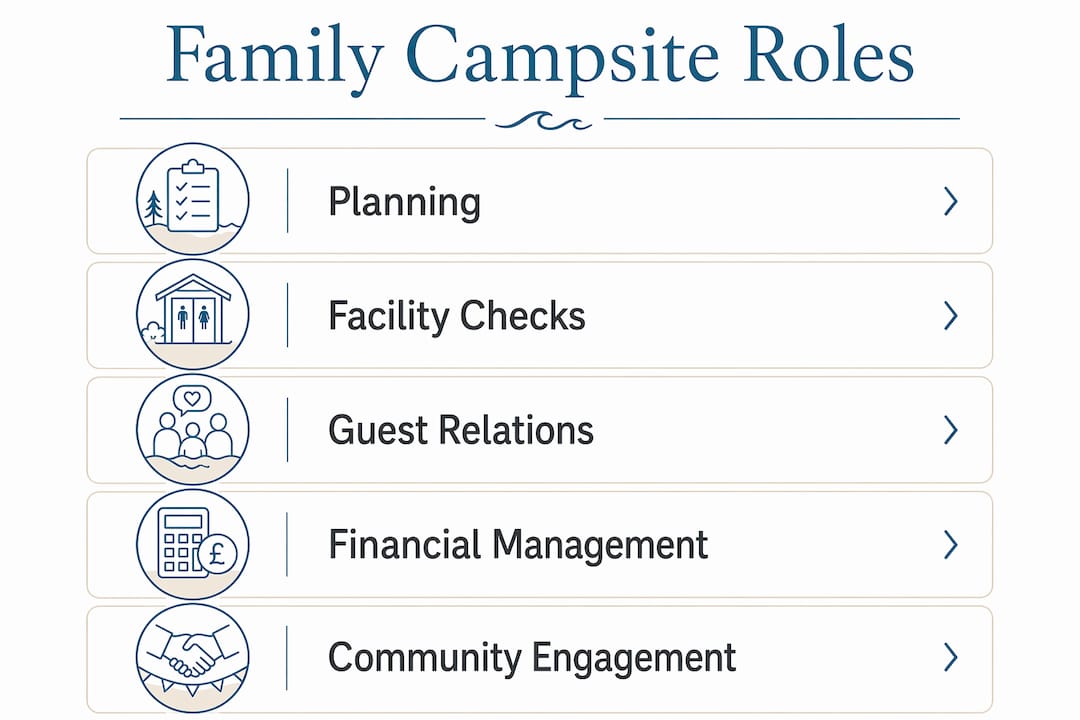
Formal role definitions help considerably. Agreeing in advance who is responsible for finances, who handles guest relations, and who oversees maintenance reduces the daily friction of overlapping authority. Separating business decisions from family emotions through structured planning meetings, rather than kitchen-table conversations, protects both the business and the relationships within it.
Work-life boundaries are genuinely blurred when you live on site. Private downtime routines and dedicated family spaces are not luxuries; they are practical tools for preventing burnout. Setting clear “off-duty” hours, even if they shift seasonally, gives every family member something to look forward to and recover with.
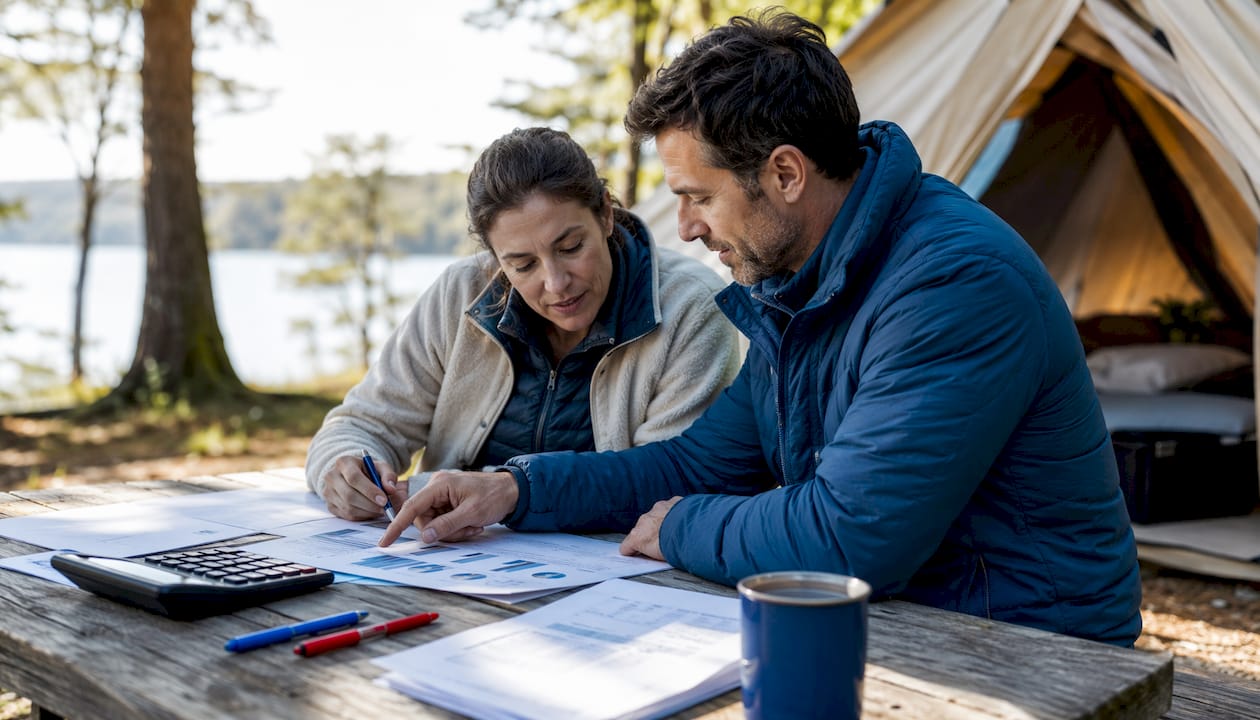
Financial tensions are common, especially in the early years when revenue is unpredictable. Agreeing on a transparent family wage structure and keeping personal and business accounts firmly separate removes a significant source of conflict. Long-term planning, reviewed annually, keeps everyone aligned on where the business is heading and what each person’s contribution looks like.
Why does community engagement matter so much for family-run campsites?
Community engagement drives guest loyalty and repeat bookings far more reliably than paid advertising alone. When a campsite becomes a genuine part of its local area, guests feel they are visiting somewhere with character, not just renting a pitch.
Practical ways families build that connection include:
- Hosting seasonal events such as harvest suppers, guided walks, or family quiz nights
- Partnering with local producers, artisans, and food vendors to stock the site shop or run workshops
- Supporting local conservation projects and inviting guests to participate
- Sharing local knowledge generously, from the best nearby beach to the quietest walking trail
The family’s visible, approachable presence on site is itself a form of community building. Guests who can put a face to the campsite, who know the owner’s name and feel genuinely welcomed, are far more likely to return and to recommend the site to others. Research into tourist social networks at UK campsites confirms that repeat visitors often arrange their stays to coincide with friends they have met on site, creating self-reinforcing communities that benefit occupancy without additional marketing spend.
Long-term operators consistently find that cultivating the campsite as a communal space increases guest loyalty and repeat bookings. Community engagement is not a seasonal tactic; it is an ongoing commitment that shapes how the site is perceived year after year.
Practical tips for running a family campsite sustainably
Sustainability in a family campsite context means financial durability as much as environmental responsibility. Both matter for long-term viability.
On the environmental side, simple measures carry real weight: composting food waste, installing water-saving shower heads, using low-energy lighting across the site, and sourcing cleaning products that are safe for drainage systems. Guests increasingly notice and appreciate these choices, and they reduce running costs at the same time.
Financially, outsourcing specialist tasks early such as electrical maintenance, accountancy, or digital marketing frees the family team to focus on guest experience, which is the primary revenue driver. Trying to do everything in-house to save money often costs more in time and errors than it saves.
Reviewing pitch pricing annually against local demand, investing in play areas and communal facilities that families genuinely use, and maintaining a clear maintenance schedule all contribute to a site that holds its value and its reputation. The role of outdoor play areas at a campsite, for instance, is often underestimated: well-maintained, safe play equipment is one of the most cited reasons families choose to return to the same site.
How should families approach financial management at a campsite?
Sound financial management starts with separating the campsite’s accounts from the family’s personal finances from day one. A dedicated business current account, a simple bookkeeping system such as Xero or QuickBooks, and a monthly review of income against expenditure give you the visibility to make good decisions rather than reactive ones.
Key budgeting priorities for a family campsite include:
- Fixed costs: pitch maintenance, insurance, licences, and loan repayments
- Variable costs: seasonal staffing, utilities, and consumables
- Capital reserves: set aside a proportion of revenue each season for equipment replacement and site improvements
- Revenue diversification: glamping pods, on-site shops, activity fees, and event income reduce dependence on pitch bookings alone
Organised recreational activities and rental equipment can meaningfully increase campsite profits, as campsite revenue management research confirms. Tracking occupancy rates and net profit through regular financial reports helps families identify which revenue streams are performing and which need attention.
How do family-run campsites market themselves effectively?
The most effective marketing for a family campsite builds on the genuine warmth and personal character that larger commercial operators struggle to replicate. Your family’s story, your knowledge of the local area, and the relationships you build with guests are assets no budget can buy.
Start with the basics: a clear, mobile-friendly website with online booking, accurate listings on Google Business Profile, and active profiles on the booking platforms most used by your target guests. Photography matters enormously; well-lit images of clean facilities, happy families, and the surrounding countryside do more than any written description.
Social media works best when it feels personal rather than promotional. Sharing behind-the-scenes glimpses of site life, seasonal updates, and local recommendations builds an audience that feels connected to the campsite before they even arrive. Encouraging guests to tag the site in their own posts extends your reach organically.
For families considering the lifestyle that comes with owning a place in a well-managed, community-focused campsite, Camping Les Prairies du Lac in the Vendée offers a ready example of how thoughtful management and family-friendly amenities combine. Caravansinfrance specialises in pre-owned mobile homes at this four-star site, giving families immediate access to that lifestyle without the complexity of building it from scratch.
If you are drawn to the idea of campsite living in France, browse the available mobile homes at Camping Les Prairies du Lac and see what a turnkey approach to this lifestyle actually looks like.
Key takeaways
Family campsite management succeeds when clear roles, formal planning, and genuine community engagement work together to support both the business and the people running it.
| Point | Details |
|---|---|
| Roles must be defined clearly | Assign guest liaison, maintenance, admin, and financial tasks to specific family members to reduce daily friction. |
| Burnout is a real risk | Private downtime routines and dedicated off-duty hours protect family wellbeing during long peak seasons. |
| Community engagement builds loyalty | Guests who feel part of a campsite community return more often and recommend the site without prompting. |
| Outsource specialist tasks early | Delegating electrical work, accountancy, and marketing frees the family to focus on guest experience. |
| Financial separation is foundational | Keeping business and personal accounts apart from the start prevents conflict and supports clear decision-making. |