The Everest of the Seas: An Introduction to the Vendée Globe
For those of us living in the Pays de la Loire, the Vendée Globe is more than a race — it is a cultural touchstone. Every four years, Les Sables-d’Olonne becomes the epicentre of the most daunting challenge in professional sailing: a solo, non-stop, unassisted voyage around the world.
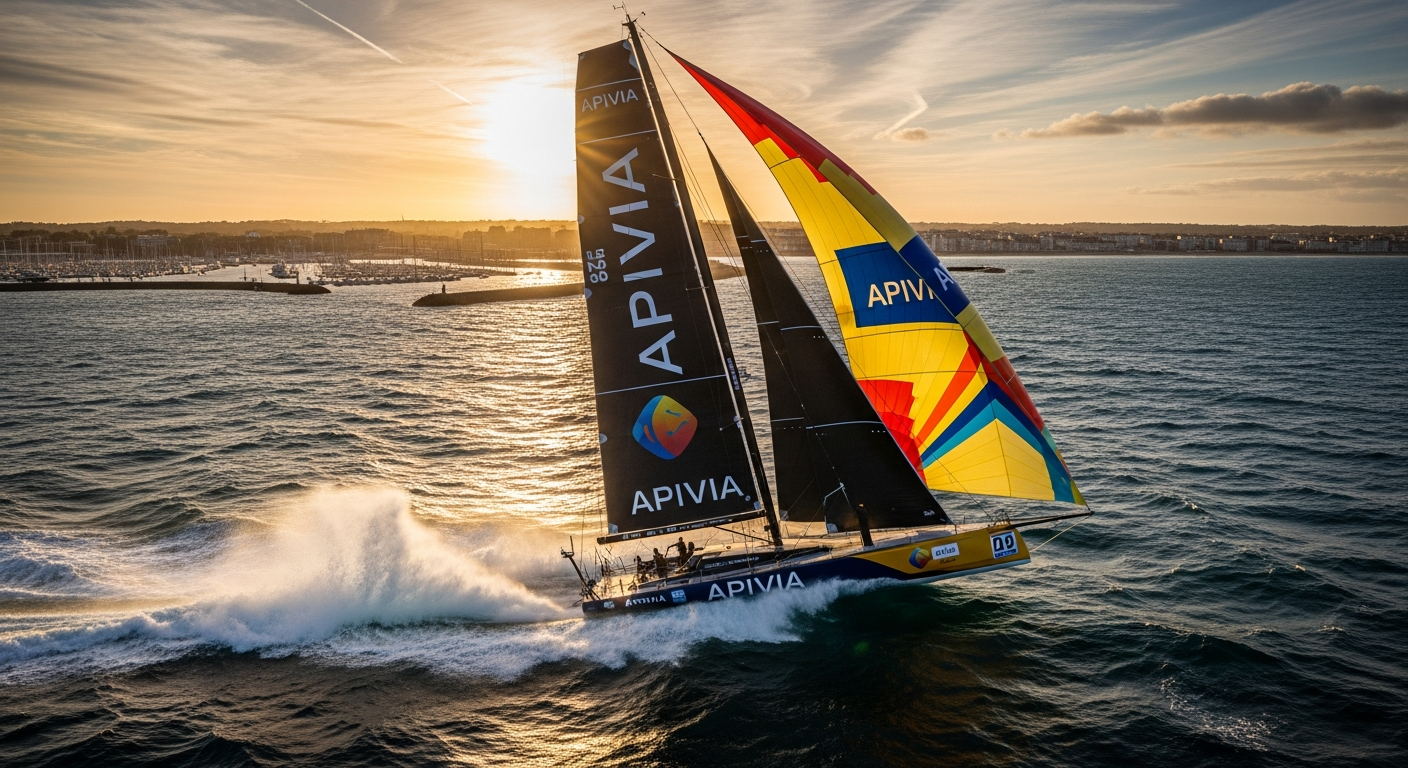
For those of us living in the Pays de la Loire, the sight of the IMOCA 60 monohulls lined up in Les Sables-d’Olonne is more than just a sporting event — it is a cultural touchstone. Every four years, our coastline becomes the epicentre of what is arguably the most daunting physical and mental challenge in professional sailing: the Vendée Globe.
Often referred to as the "Everest of the Seas," this race is a test of human endurance that pushes sailors to their absolute limits.
What is the Vendée Globe?
Founded by Philippe Jeantot in 1989, the Vendée Globe is a solo, non-stop, and unassisted yacht race around the world.
- Solo: The skipper is entirely alone on the boat.
- Non-stop: No stopovers for repairs.
- Unassisted: Sailors must perform all tasks, including repairs, completely on their own.
The Route
The journey covers approximately 45,000 kilometres. The fleet navigates south to pass three iconic landmarks — the Cape of Good Hope, Cape Leeuwin, and Cape Horn — while keeping Antarctica to their starboard side.
The Boats: Engineering Marvels
The race is contested exclusively in IMOCA 60 yachts. These 18-metre vessels are among the fastest and most powerful monohulls in existence, capable of reaching upwards of 40 knots.
A Local Legacy
As residents of the Vendée, the race is a massive point of pride for our department. It brings millions of spectators to the start and finish line, cementing Les Sables-d’Olonne’s reputation as the global capital of ocean racing.