
Negotiating mobile home prices in France: your 2026 guide
Master negotiating mobile home price in France with our 2026 guide. Learn strategies to secure discounts and navigate contracts effectively.
Negotiating mobile home prices in France: your 2026 guide
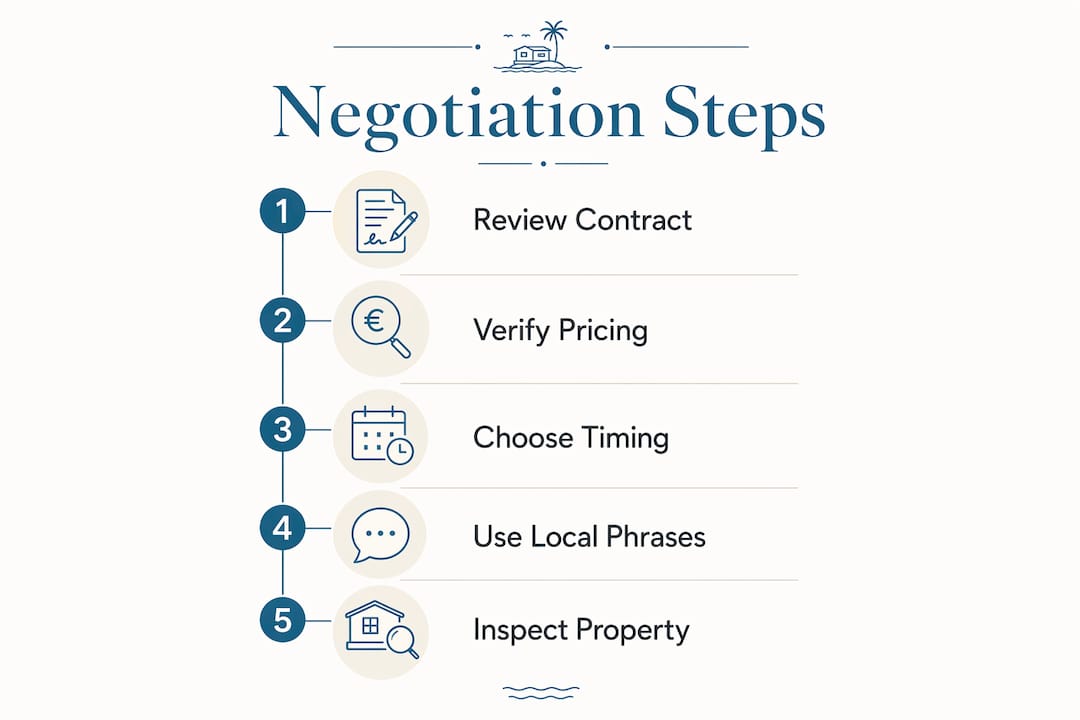
Asking prices for mobile homes in France are almost always a starting point, not a fixed figure. A discount of around 10% is commonly achievable when you approach the negotiation with the right preparation, the right timing, and a clear understanding of what you are actually buying. The purchase price covers the mobile home itself, a movable structure, but never the land it sits on. That distinction shapes everything about how you should negotiate. Before you make any offer, run through these first steps:
- Research comparable listings in the same region and campsite type
- Request a copy of the pitch rental contract before discussing price
- Commission or carry out a physical inspection to document any defects
- Set a firm maximum budget and a list of non-negotiable criteria
- Identify the seller’s motivation, whether that is a quick sale, rising pitch rents, or a change of plans
## 1. Why the pitch rental contract shapes your negotiation
The pitch rental contract is the document most buyers overlook and the one that matters most. When you buy a mobile home in France, you own the structure but rent the plot from the campsite under a separate agreement. That annual rent, which varies significantly depending on the campsite standard, is the most significant ongoing cost you will face, often outweighing the purchase price itself over a longer period.
The contract governs far more than just the rent. It sets out contract duration and renewal terms, conditions under which the campsite can refuse to renew, any age limit imposed on the mobile home, and the rules around resale, including whether the campsite must approve your buyer or takes a commission. Some sites also impose multi-year minimum terms that limit your ability to leave if conditions deteriorate.
Since January 2026, French law has tightened these rules considerably. Decree n°2026-14 of 14 january 2026 now requires campsites to provide pre-contractual information covering renewal conditions, termination grounds, and the method used to calculate rent increases. Steep annual rent rises are now legally contestable, which weakens the hand of sellers at sites with a history of aggressive pricing.
Before you negotiate the purchase price, check these contract elements:
- Duration of the pitch agreement and whether renewal is automatic or discretionary
- The formula used to calculate annual rent increases
- Any campsite commission or right of first refusal on resale
- Maximum age of mobile home permitted on the pitch
- Additional charges beyond the headline rent, such as equipment access fees or green space levies
Pro Tip: Ask the campsite for a copy of the standard pitch contract before you even visit the mobile home. A contract that does not include the new mandatory disclosures required under Decree n°2026-14 is a warning sign, not a bargaining chip.
Understanding these terms gives you real leverage. A mobile home at a site with stable, transparent pitch rents is worth more than an identical model at a site where annual costs are unpredictable. You can use that difference to justify a lower offer.
## 2. Common pricing myths that inflate seller asking prices
Sellers frequently price mobile homes as though the pitch location, the terrace, or the garden shed add transferable value. They do not. The pitch is leased, not owned, so any premium a seller attributes to a “great spot near the pool” is not something you are buying in any legal sense. The campsite can, in principle, reassign plots or decline to renew the contract entirely.

Terraces, decking, and garden structures are the most common source of inflated asking prices. These additions are often treated by sellers as capital improvements, but most buyers should discount them heavily during negotiation. They are not fixtures in the legal sense, they depreciate, and the campsite may require their removal when the mobile home eventually leaves the pitch.
The same logic applies to fitted furniture, awnings, and outbuildings. A seller who has spent money personalising a mobile home will naturally want to recoup that investment. Your job is to separate the market value of the mobile home itself from the cost of additions that may not suit your needs or may need replacing.
- Terraces and decking: assess condition carefully; do not pay a premium for ageing timber
- Garden sheds and outbuildings: check campsite rules on whether these can remain
- Pitch location “premium”: weigh it against the annual rent and contract stability, not the seller’s valuation
- Fitted extras: price them at replacement cost, not at what the seller paid years ago
The most reliable way to counter inflated pricing is to arrive with documented evidence. Comparable listings at similar campsites in the same region, combined with a written list of defects and estimated repair costs, give you a factual basis for a lower offer that is hard to dismiss.
## 3. When to negotiate: timing and seasonal strategy
Autumn and early winter offer the strongest negotiation leverage in the French mobile home market. Demand peaks between March and June as buyers plan ahead for summer, and sellers hold firm on price during that window. By september, sellers who have not found a buyer become noticeably more flexible, particularly if they are facing rising pitch rents or simply want to avoid carrying winter maintenance costs.
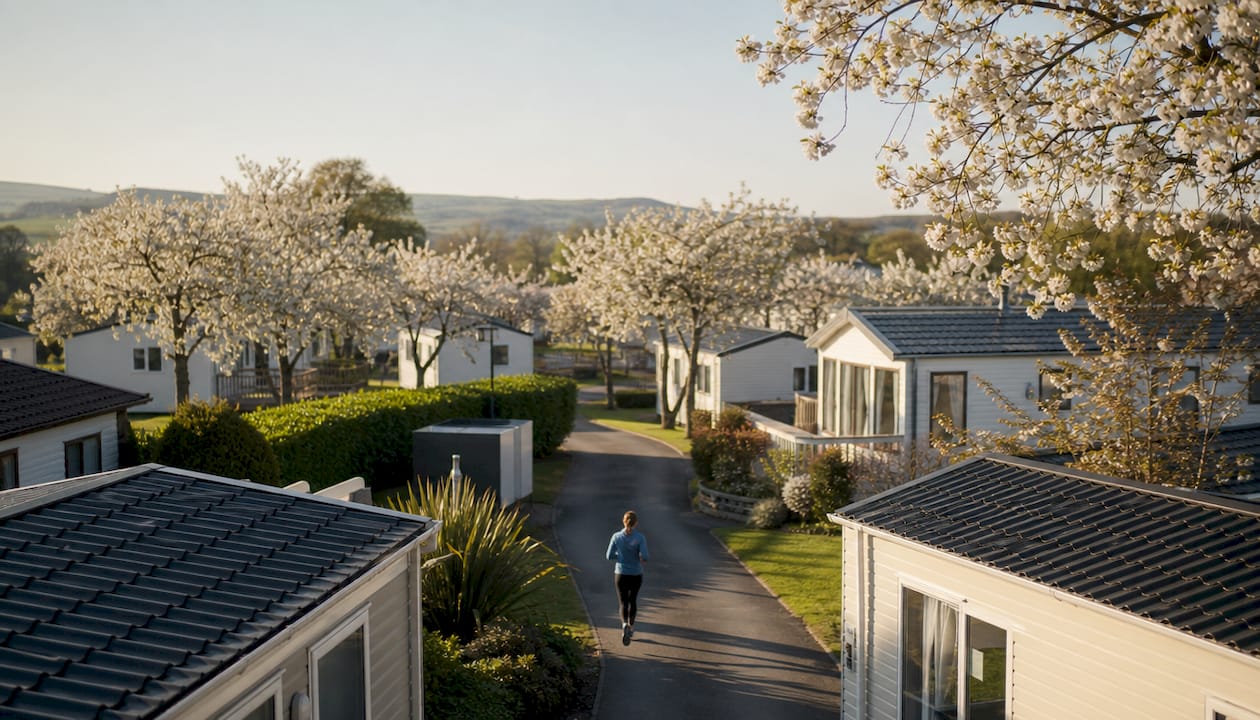
Seller motivation is a key variable. A private seller under pressure from a rent increase, a change in personal circumstances, or an end-of-season deadline will often accept a meaningful reduction to close quickly. Identifying that motivation early in your conversations gives you a significant advantage.
Preparation is equally important. Setting firm budget limits and a list of non-negotiable criteria before you visit keeps you objective when a seller is persuasive or a location feels irresistible. Decide in advance the maximum you will pay, the minimum contract terms you will accept, and the conditions under which you would walk away.
- Visit in September or October for the best negotiating position
- Research pitch rents at three or four comparable campsites before making any offer
- Prepare a written list of your criteria: location, contract terms, annual budget, resale flexibility
- Use a seller’s urgency respectfully but directly in your offer
## 4. Practical tips for UK buyers negotiating in France
UK buyers face a specific set of challenges when buying a mobile home in France: language, cultural differences in negotiation style, and unfamiliarity with French contract law. French sellers and campsite managers tend to respond well to buyers who are prepared, polite, and specific. Arriving with documentation, comparable prices, and a clear written offer signals seriousness without aggression.
A few French phrases go a long way. “Quel est votre meilleur prix?” (What is your best price?) opens the conversation naturally. “J’ai constaté plusieurs points à réparer” (I have noted several items needing repair) introduces your factual argument. “Pouvez-vous me fournir le contrat d’emplacement?” (Can you provide the pitch contract?) is a question every seller should expect from a prepared buyer.
On financing, mobile home-specific loans are available in France and the UK. French lenders treat mobile homes as movable property rather than real estate, which affects the loan structure. A dedicated mobile home loan, known in France as a crédit affecté, ties the funds directly to the purchase and often carries a lower rate than a general personal loan. UK buyers may also explore personal loans from British lenders before travelling, giving them a clear budget ceiling and the ability to move quickly on a deal.
Intermediaries and agents can bridge the language and cultural gap, particularly at larger campsites where the management team handles resale on behalf of sellers. They know the local market, understand the pitch contract terms, and can flag issues you might miss. Their fee is often worth it for a first purchase.
- Verify conformity certificates, gas checks, and electrical inspection records before any offer
- Request the pitch contract in writing and read every clause, not just the headline rent
- Clarify resale rights up front: does the campsite approve buyers, and is there a commission?
- Set a budget that includes annual pitch rent, charges, insurance, and maintenance, not just the purchase price
- Consider using a bilingual agent or solicitor for the contract review if your French is limited
For a transparent, ready-to-move-in purchase with a clear pitch contract and no hidden fees, explore available homes at Camping Les Prairies du Lac in the Vendée, where Caravansinfrance makes the buying process genuinely straightforward.
Caravansinfrance offers pre-owned mobile homes at a four-star campsite in the Vendée, with transparent pricing and no property taxes. If you want to see what a well-structured, hassle-free purchase looks like in practice, browse current listings at Camping Les Prairies du Lac.
Key takeaways
Negotiating a mobile home price in France depends less on haggling skill and more on understanding the pitch contract, timing your approach, and arriving with documented evidence of the home’s true condition and market value.
| Point | Details |
|---|---|
| Pitch contract is the priority | Review the rental contract before discussing price; it governs your long-term costs and resale rights. |
| Autumn offers the best leverage | Sellers are most flexible from september onward, when demand drops and winter costs loom. |
| Seller extras rarely transfer value | Terraces, sheds, and location premiums are not legally yours; discount them in your offer. |
| Prepare a firm budget ceiling | Set your maximum price and non-negotiable criteria before any visit to stay objective. |
| 2026 regulations strengthen your hand | Decree n°2026-14 makes steep rent increases contestable and requires pre-contractual transparency from campsites. |