
Negotiating mobile home price in France: 2026 guide
Master negotiating mobile home price in France with our 2026 guide. Learn timing strategies and contract tips for the best deals.
Negotiating mobile home price in France: 2026 guide
Negotiating mobile home price in France is the single most effective way to reduce the total cost of owning a place in the sun. Buyers who prepare properly, time their purchase well, and scrutinise every contract clause consistently achieve better deals than those who rely on goodwill alone. The process differs significantly from classic property buying because you purchase the home but lease the land. That distinction shapes every aspect of price negotiation, from the leverage you hold to the clauses you must challenge before signing anything.
How do seasonal market cycles affect mobile home prices in France?
Mobile home prices peak between march and june and reach their lowest point in autumn and early winter. That seasonal swing gives buyers who can wait a genuine pricing advantage. Campsite operators and private sellers both feel the pressure of low footfall in the off-season. Fewer buyers means more willingness to negotiate, and that willingness translates directly into lower asking prices.
The practical implication is straightforward. A home listed at €45,000 in april may realistically sell for €40,000 or less in november. Sellers who have carried a property through summer without a buyer are motivated. They face another winter of site fees, maintenance costs, and an empty home.
Key seasonal patterns to keep in mind:
- March to June: Peak demand, highest asking prices, least seller flexibility
- July to August: High footfall but buyers are often on holiday, not shopping seriously
- September to October: Demand drops, sellers begin to reconsider their position
- November to February: Lowest prices, greatest negotiation margin, best France mobile home deals
Pro Tip: Visit the campsite in person during autumn. You will see which homes have sat unsold all summer, and those sellers are the most open to a serious offer.
Sellers sometimes justify high prices by citing a premium plot location. Location-based price surcharges deserve heavy scrutiny because plot contracts are annually renewable and revocable. A “premium” pitch today carries no guarantee for tomorrow, so any location premium in the asking price is a legitimate target for reduction.
What contract elements must you review before negotiating price?
Understanding mobile home contracts in France is not optional. The contract governs your ongoing costs, your right to resell, and the campsite’s power over your home. Many buyers focus entirely on the purchase price and ignore the clauses that will cost them far more over time.
The most important principle is this:
You do not own the land beneath your mobile home. You lease the plot from the campsite under a contract that can include rent increases, resale commissions, and termination clauses. The contract terms, not the home’s condition, determine the true long-term value of your purchase.
Before any price discussion, request the full plot lease contract in writing. Read it carefully and look for these specific elements:
- Contract duration and renewal terms. Short or uncertain lease periods reduce the home’s resale value and your negotiating position.
- Annual rent increase clauses. Some contracts link increases to inflation indices. Others allow discretionary rises. Both affect affordability.
- Resale restrictions and commissions. Campsite resale rules can require the operator’s approval or a percentage commission on any future sale. These clauses directly reduce your home’s value.
- Maintenance obligations. Some contracts require owners to use campsite-approved contractors, which limits your ability to control costs.
- Termination conditions. Understand the notice period and the grounds on which the campsite can end your lease.
New buyer protection regulations coming into force in 2026 strengthen disclosure requirements for campsite operators. Sellers and operators must now provide clearer documentation before contracts are signed. Use that requirement as leverage. If a seller resists sharing the full contract before price talks begin, treat that resistance as a warning sign.
Informed buyers who examine rules and clauses strategically negotiate lower prices or better conditions. Asking for reflection time before discussing price is not a weakness. It signals that you are a serious buyer who will not be rushed.
How does the home’s condition affect your negotiating position?
A thorough technical inspection is one of the most powerful tools available when bargaining for a mobile home. Inspecting for costly repairs including roof seals, flooring, heating, hot water systems, and electrical compliance protects your budget and gives you concrete grounds to reduce the asking price.
Focus your inspection on these areas:
- Roof and window seals: Water ingress is the most common and expensive problem in older mobile homes. Check for staining on ceilings and around window frames.
- Flooring in wet areas: Bathrooms and kitchens are the first places to show water damage. Soft or spongy flooring indicates a repair bill is coming.
- Heating and hot water systems: Test both during your visit. Older systems may not meet campsite standards and will require replacement.
- Electrical and gas compliance: French campsites require homes to meet specific safety standards. Non-compliant installations can result in the campsite refusing to connect the home.
- External cladding and skirting: Cracked or missing panels allow damp to penetrate the structure and are costly to replace correctly.
Pro Tip: Bring a torch and a small screwdriver on your inspection visit. Press gently on floor panels near the bathroom and kitchen. Any give in the floor is a negotiating point worth hundreds of euros.
Every fault you document becomes a line item in your negotiation. A roof seal repair, a new boiler, and electrical remediation can easily total €3,000–€5,000. Present those estimates calmly and ask for a corresponding reduction in the asking price. Well-inspected older mobile homes often protect budgets better than newer models bought without technical checks.

What financing strategies improve your negotiating leverage?
Your payment method directly affects the discount you can achieve. Cash buyers represent around 35% of purchasers and consistently secure the deepest discounts. A seller who receives an immediate, unconditional cash offer faces no risk of a deal falling through due to financing. That certainty has real value, and sellers price it accordingly.
| Payment method | Typical discount potential | Key consideration |
|---|---|---|
| Cash | Highest (often 5–10%) | Requires full capital upfront |
| Personal credit | Moderate | Interest adds to total cost |
| Leasing | Low | Monthly payments are lower but total cost is higher |
| Specialist loans (e.g. Crédit Agricole) | Moderate | May include favourable rates for rural property |
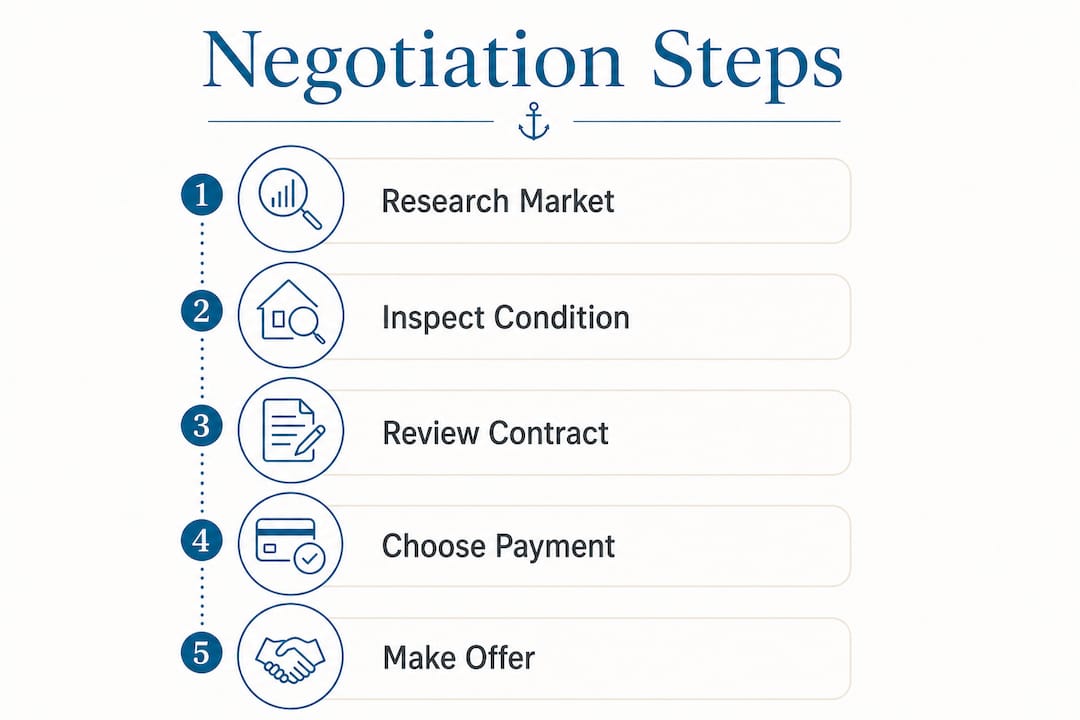
Leasing monthly payments are typically 20–30% lower than traditional credit repayments. That lower monthly figure can feel attractive, but leasing delays full ownership and results in a higher total cost over the contract term. For negotiation purposes, leasing also removes the “immediate certainty” argument that makes cash offers so compelling.
If you cannot buy outright, specialist lenders including Crédit Agricole offer personal loans designed for leisure property purchases. These can carry more favourable rates than standard consumer credit. Whatever your financing route, arrive at negotiations knowing your maximum budget and your preferred payment structure. Sellers respond better to buyers who are clear and decisive.
What ongoing costs affect the total affordability of a mobile home?
The purchase price is only one part of the financial picture. Annual site fees range from €1,500 to €5,000 depending on the region and campsite category. That figure represents the primary recurring cost for mobile home owners, who do not pay property taxes on a movable home. The range is wide, and the difference between a €1,500 and a €5,000 annual fee compounds significantly over five or ten years of ownership.
Beyond site fees, budget for:
- Tourist tax: Applicable in many French communes and charged per night or per season depending on the local authority’s rules
- Utility charges: Water and electricity are often metered separately by the campsite and billed at rates set by the operator
- Home insurance: Standard contents and structure cover is required by most campsites
- Maintenance and repairs: External painting, seal replacement, and appliance servicing are owner responsibilities
- Campsite-mandated upgrades: Some operators require periodic aesthetic updates to keep homes in line with site standards
High annual fees can and should motivate price negotiation on the home itself. If a campsite charges €4,500 per year in fees, you are committing to a significant ongoing cost. Use that commitment as a reason to push harder on the purchase price. Transparency from the campsite about all charges is a reasonable expectation, and 2026 regulations support your right to receive that information before signing.
Setting clear criteria including budget and resale conditions before viewing any home keeps your decisions grounded in logic rather than emotion. An objective approach protects you from overpaying for a home with high ongoing costs.
Key takeaways
Successful negotiation on a French mobile home purchase depends on timing, contract knowledge, technical inspection, and payment method working together.
| Point | Details |
|---|---|
| Buy in low season | Autumn and winter offer the best prices and most motivated sellers in France. |
| Read the full contract first | Plot lease terms, resale clauses, and fee structures affect long-term value more than the purchase price alone. |
| Inspect before you offer | Document every fault and use repair costs as concrete grounds for price reduction. |
| Cash offers win discounts | Cash buyers consistently secure the deepest reductions; know your payment position before negotiating. |
| Budget for ongoing fees | Annual site fees of €1,500–€5,000 are a major cost; factor them into your total affordability calculation. |
What I have learned from watching buyers negotiate in France
Ludo here. After years of watching buyers succeed and fail at this process, the single biggest mistake I see is emotional attachment before the contract is read. A buyer falls in love with a home on a sunny afternoon in july, makes an offer the same day, and discovers six months later that the campsite charges a 15% commission on any resale. That commission was in the contract. Nobody read it.
The buyers who do best are the ones who treat the first visit as research, not a decision. They come back a second time, often in worse weather, and they bring a list of questions about the contract and the fees. They ask for time. They do not apologise for being thorough.
Seasonal timing matters more than most buyers realise. I have seen the same home listed at €42,000 in may and sold for €36,000 in november to a buyer who simply waited. Patience is a negotiating strategy.
My strongest advice is this: read the campsite lifestyle details before you visit any home. Understanding the community, the rules, and the daily rhythm of life on a French campsite tells you whether the ongoing costs are worth paying. If they are, you negotiate from a position of genuine commitment. That confidence shows, and sellers respond to it.
— Ludo
Ready to put your negotiation skills to work in Vendée?
Caravansinfrance specialises in pre-owned mobile homes at Camping Les Prairies du Lac in the Vendée, a four-star site with a heated pool, community activities, and a warm coastal microclimate that makes every season enjoyable. The buying process is transparent, with no hidden fees and no property taxes on movable homes.
Browse the current mobile homes for sale and see exactly what is available, with clear pricing that makes negotiation straightforward. If you want to understand the site itself before committing, the campsite page gives you a full picture of the environment and amenities. The team at Caravansinfrance is happy to walk you through pricing, contracts, and ongoing costs so you can make a confident, informed decision. View another available listing to compare options directly.
FAQ
Can you negotiate the price of a mobile home in France?
Yes. Mobile home prices in France are negotiable, particularly in autumn and winter when seller motivation is highest and buyer demand is low.
What is the most important document to review before buying?
The plot lease contract is the most critical document. It governs your ongoing fees, resale rights, and the campsite’s ability to terminate your arrangement.
Do cash buyers get better deals on mobile homes in France?
Cash buyers consistently secure the deepest discounts. Sellers value the certainty of an immediate, unconditional offer and price that certainty into the deal.
What ongoing costs should I budget for beyond the purchase price?
Annual site fees range from €1,500 to €5,000, plus utility charges, insurance, tourist tax, and periodic maintenance. These costs are separate from any mortgage or loan repayments.
Does the condition of the home affect how much I can negotiate?
A thorough inspection that identifies repair needs gives you concrete, costed grounds to reduce the asking price. Every documented fault is a legitimate negotiating point.