Role of campsite management families: a complete guide
Discover the vital role of campsite management families in ensuring a welcoming, safe, and enjoyable experience for holidaymakers.
Role of campsite management families: a complete guide
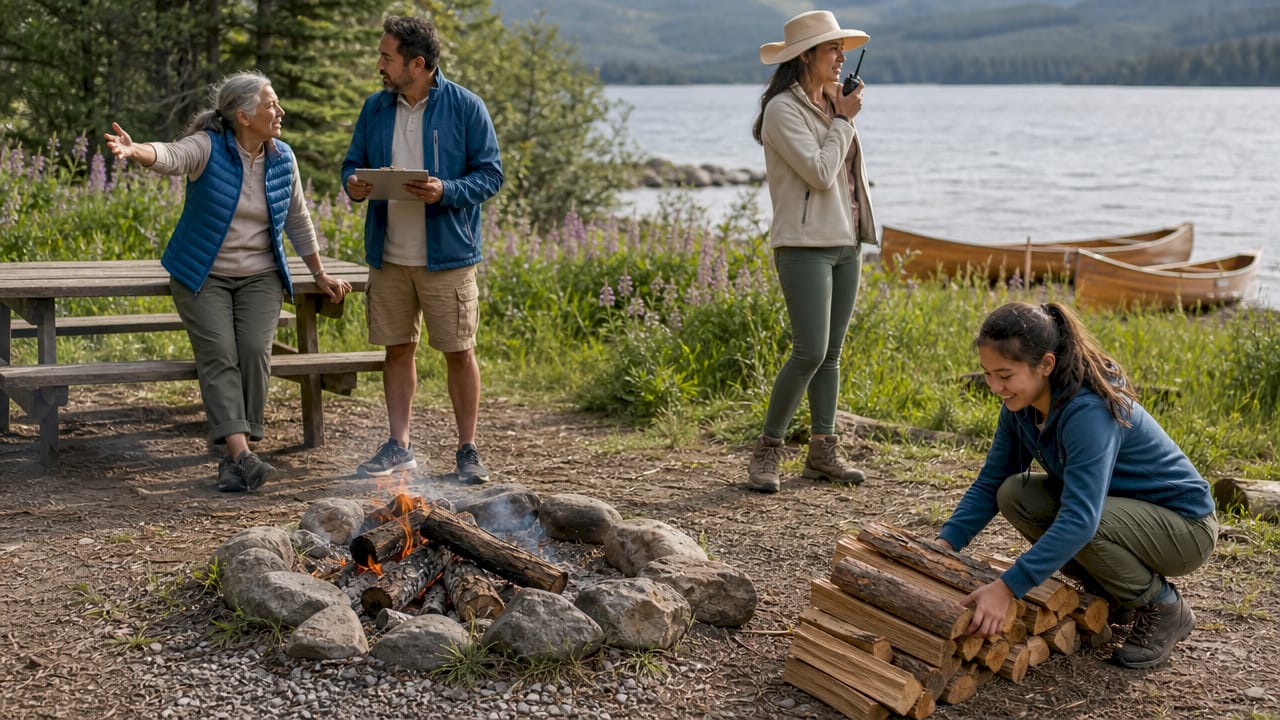
Campsite management families are defined as the resident family units who oversee the full operation of a campsite, from safety and maintenance to social programming and guest relations. The role of campsite management families shapes every aspect of a family’s holiday, from the cleanliness of the shower block to the warmth of the welcome at the gate. Research shows that 82% of leisure travellers prioritise community connection when choosing a campground. That figure tells you exactly how much weight management families carry. At Caravansinfrance, the campsites we work with at Camping Les Prairies du Lac in the Vendée are run by dedicated management families who take this responsibility seriously every single day.
What are the primary responsibilities of campsite management families?
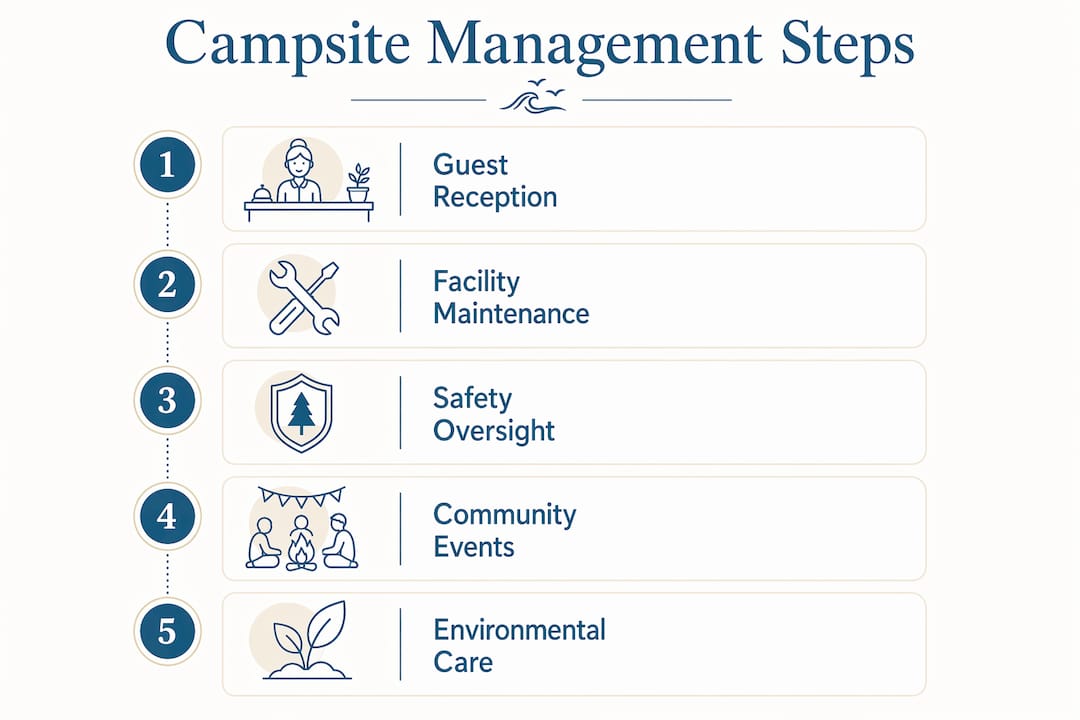
Campsite management is a 24/7 commitment that spans well over 50 distinct roles, even when the site operates seasonally. That breadth surprises most guests, who see only the friendly face at reception. Behind that face is a family coordinating everything from emergency response to grass cutting.
The core duties fall into four clear areas:
- Safety and security. Management families set and enforce child safety policies, conduct evening patrols, and respond to incidents at any hour. A well-run site feels safe without feeling like a surveillance operation.
- Facilities maintenance. Shower blocks, swimming pools, play areas, and pitches all require daily attention. Families who live on site notice problems faster than any contracted team working office hours.
- Guest relations and administration. Bookings, arrivals, complaints, and local recommendations all pass through the management family. Their knowledge of the site and the surrounding area is a genuine service advantage.
- Risk management and compliance. Health and safety regulations, fire safety checks, and environmental standards require consistent documentation and action throughout the season.
Pro Tip: When you visit a campsite, ask the management team how long they have been running the site. Families with five or more seasons under their belt tend to have solved problems you have not even thought of yet.
The most effective campsite management strategies treat every operational decision as a guest experience decision. A broken shower is not just a maintenance issue. It is a signal to a family with young children that the site does not care. Management families who live on site understand this instinctively.
How do campsite management families cultivate community and social engagement?
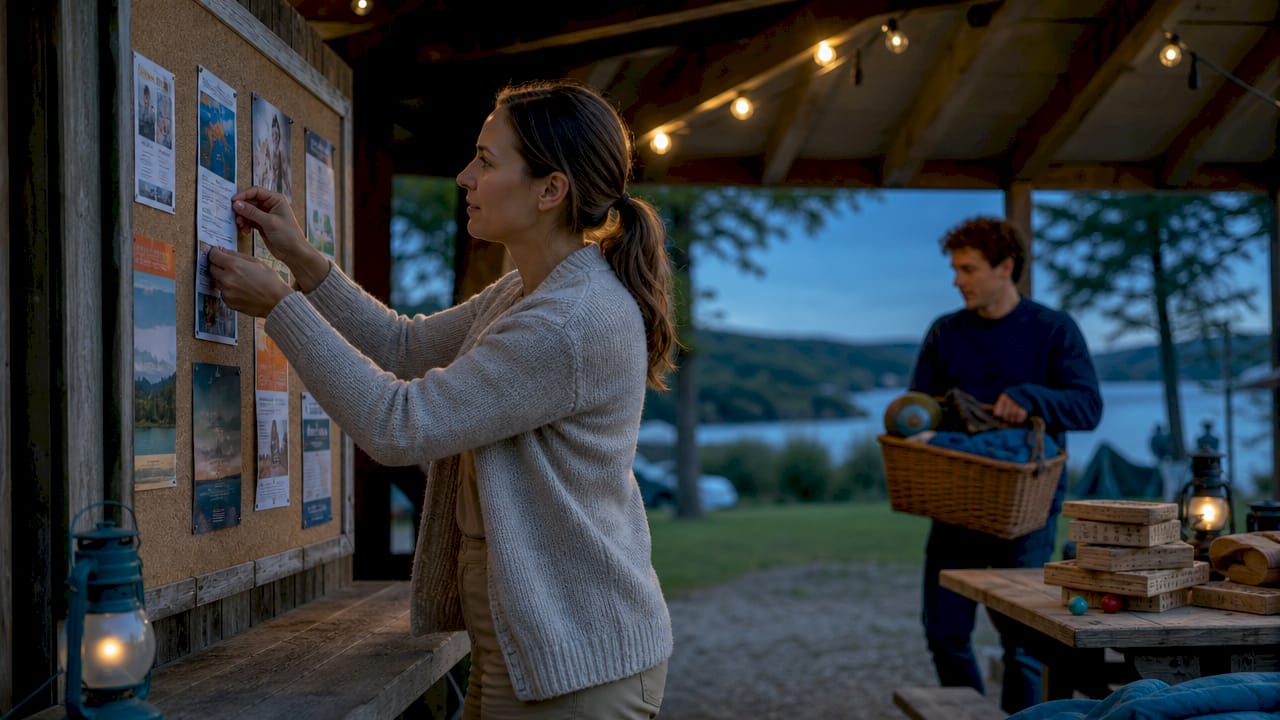
Strong community does not happen by accident on a campsite. Management families plan it deliberately, and the results are measurable. Over 70% of families report forming lifelong friendships through organised campsite activities. That outcome depends entirely on the quality of the social programming the management team puts in place.
The most effective community-building approaches follow a clear sequence:
- Map the guest mix early in the season. Management families who know their guests, including ages, nationalities, and interests, can tailor events to the actual people on site rather than a generic audience.
- Create a regular social calendar. Weekly events such as barbecues, quiz nights, and children’s sports days give guests a reliable rhythm. Predictability builds anticipation.
- Design spaces that invite conversation. A well-placed communal area with seating, shade, and a bar creates natural gathering points without forcing interaction.
- Balance social events with quiet time. Not every guest wants to join a group activity. The best management families offer genuine choice between solitude and socialising, which is itself a form of modern campsite luxury.
- Follow up with returning guests. Remembering a family’s name from the previous summer is a small act with a large impact on loyalty.
“The real skill of a campsite management family is making community feel effortless for guests. The planning, the logistics, and the quiet coordination happen behind the scenes. What guests experience is simply a warm evening with good people.”
The role of community activities on a campsite extends beyond entertainment. Organised outdoor play areas and supervised events give parents confidence that their children are safe and engaged. That confidence is what turns a one-week booking into a ten-year tradition.
Why is multigenerational family involvement important in campsite management?
Multigenerational management, where grandparents, parents, and adult children all contribute to running the site, creates a depth of knowledge and care that no hired management company can replicate. Each generation brings different strengths. Older family members carry institutional memory about the land, the local community, and the loyal guests who return year after year. Younger members bring energy, language skills, and comfort with digital booking systems.
The table below shows how different generations typically contribute to campsite operations:
| Generation | Primary contribution | Guest-facing benefit |
|---|---|---|
| Grandparents | Site history, supplier relationships | Consistent quality and trusted reputation |
| Parents | Day-to-day operations, compliance | Reliable service and safety standards |
| Adult children | Social media, events, guest engagement | Fresh programming and modern communication |
Campsite management families who treat the site as a shared family project also tend to treat their guests as extended family. That attitude is felt immediately by anyone who arrives on site. The welcome is warmer, the advice is more personal, and the willingness to go beyond the job description is greater.
Pro Tip: Look for campsites where the management family has been in place for at least a decade. Long tenure signals financial stability, community trust, and a genuine commitment to the site’s future.
The importance of family in campsites also shows up in staff culture. When the management family models dedication and warmth, seasonal staff follow that lead. The result is a consistent guest experience from the first day of the season to the last.
What practical measures do campsite management families take to ensure safety and enjoyment?
Child safety is the area where management families make the most consequential decisions. The most effective approach is to embed safety into routine without making guests feel policed. Adult escort policies for children under 12 near bathhouses are a proven example. They reduce risk significantly while feeling like a natural part of site life rather than a bureaucratic rule.
Beyond escort policies, well-managed family campsites typically put the following measures in place:
- Clear signage throughout the site. Speed limit signs, pool rules, and emergency contact numbers posted at eye level remove ambiguity and reduce accidents.
- Regular staff patrols during peak hours. Early evening, when children are most active and parents are relaxing, is the highest-risk window on any campsite.
- Safe and well-maintained outdoor play areas. Family campsites with good management provide curated play equipment that is inspected regularly and replaced when worn.
- Accessible staff at all times. A management family member or trained staff member reachable by phone or in person at any hour removes the anxiety parents feel when something goes wrong.
- Family-centred layout decisions. Placing family pitches near play areas and away from late-night social zones reduces noise complaints and improves sleep for children.
The best management families treat these measures as part of their hospitality offer, not as a compliance checklist. When safety feels like care, guests relax more deeply and return more reliably.
How does family-led management influence long-term campsite appeal and value?
Strong family-led management drives guest loyalty in ways that directly affect the financial health of a campsite. Seasonal guests who feel genuinely welcomed and well-served invest between £2,800 and £3,600 or more per season in their campsite experience. That level of investment only happens when guests trust the management team to deliver consistent quality year after year.
Consistent social programming and well-maintained environments managed by families drive higher guest retention and repeat bookings. The connection between management quality and campsite value is direct. A site with a strong management family commands higher pitch fees, attracts better-quality mobile home buyers, and maintains its reputation through word of mouth in ways that no marketing budget can replicate.
The long-term appeal of a campsite also depends on environmental stewardship. Management families who live on site year-round notice seasonal changes in the landscape, the water quality, and the condition of trees and hedgerows. They act on those observations because the site is their home, not just their workplace. That personal investment protects the natural character that drew guests to the site in the first place. For anyone considering life on the campsite as a mobile home owner, the quality of the management family is as important as the quality of the property itself.
Key takeaways
Campsite management families are the single most important factor in determining whether a campsite delivers a safe, welcoming, and genuinely enjoyable experience for visiting families.
| Point | Details |
|---|---|
| Breadth of responsibility | Management families handle over 50 roles, from safety compliance to guest relations, year-round. |
| Community is planned, not accidental | Organised social programming drives lifelong friendships and repeat bookings across seasons. |
| Multigenerational teams add depth | Each generation contributes distinct skills that together create consistent, personalised guest care. |
| Safety embedded in routine | Policies like adult escort rules near bathhouses reduce risk without making guests feel restricted. |
| Management quality affects property value | Strong family-led management raises campsite appeal and supports higher seasonal guest investment. |
What I have learned from watching campsite families work
I have spent a good deal of time at campsites in France, and the ones that stay with me are always the ones run by families who clearly love what they do. The management team at a well-run site in the Vendée is not just keeping the lights on. They are holding a community together, season after season, for guests who return because of the people as much as the place.
What strikes me most is how invisible the best management families make their work look. The pitch is mown, the pool is clean, the evening event is set up, and nobody saw it happen. That invisibility is the craft. It takes real discipline to run a site with that kind of quiet competence, especially when you are also the person fielding a noise complaint at 11pm and fixing a water pump at 7am.
My practical advice for families choosing a campsite is simple. Read the reviews, but look specifically for mentions of the management team by name. When guests remember the people who ran the site, that is the clearest signal you will find that the campsite management roles are being filled by people who genuinely care. For anyone thinking about owning a mobile home in France, I would point you towards living in the Vendée as a starting point for understanding what makes this region’s campsites so special.
— Ludo
Mobile homes in the Vendée, where management families make the difference
At Caravansinfrance, every mobile home we offer sits within a campsite managed by a dedicated family team. That is not a coincidence. We chose Camping Les Prairies du Lac in the Vendée precisely because the management family there takes community, safety, and guest experience as seriously as we take the quality of the properties we sell.
When you buy a mobile home through Caravansinfrance, you are not just buying a property. You are buying into a community shaped by people who live and breathe campsite life every day. You can browse our current selection of available mobile homes and see exactly what that kind of management looks like in practice. If you want to understand the full picture before you commit, our mobile home buying guide covers everything from running costs to what to expect from your first season on site.
FAQ
What does a campsite management family actually do day to day?
A campsite management family handles guest arrivals, facilities maintenance, safety patrols, social event organisation, and administrative tasks, often across more than 50 distinct roles. The work runs year-round, even on seasonal sites.
How does family management improve the campsite experience for guests?
Family-managed campsites deliver more consistent service and a warmer atmosphere because the management team lives on site and has a personal stake in the guest experience. Research shows that 82% of travellers prioritise community connection, which family-led management is best placed to provide.
What child safety measures do campsite management families use?
The most effective measure is an adult escort policy for children under 12 near bathhouses, which reduces risk significantly without feeling restrictive. Clear signage, regular staff patrols, and well-maintained play areas are also standard on well-run family campsites.
Why do guests form lasting friendships at family-managed campsites?
Organised social programming creates regular opportunities for guests to meet and spend time together. Over 70% of families report forming lifelong friendships through campsite activities, a result that depends directly on the quality of the management team’s social calendar.
Does the quality of campsite management affect mobile home values?
Yes. A campsite with a strong, long-established management family commands higher seasonal investment from guests and maintains the environmental and social quality that makes mobile home ownership desirable over the long term.