Role of local markets in the expat lifestyle: what you need to know
Discover the role of local markets in the expat lifestyle. From cultural immersion to cost savings, learn how these markets enhance your experience abroad.
Role of local markets in the expat lifestyle: what you need to know
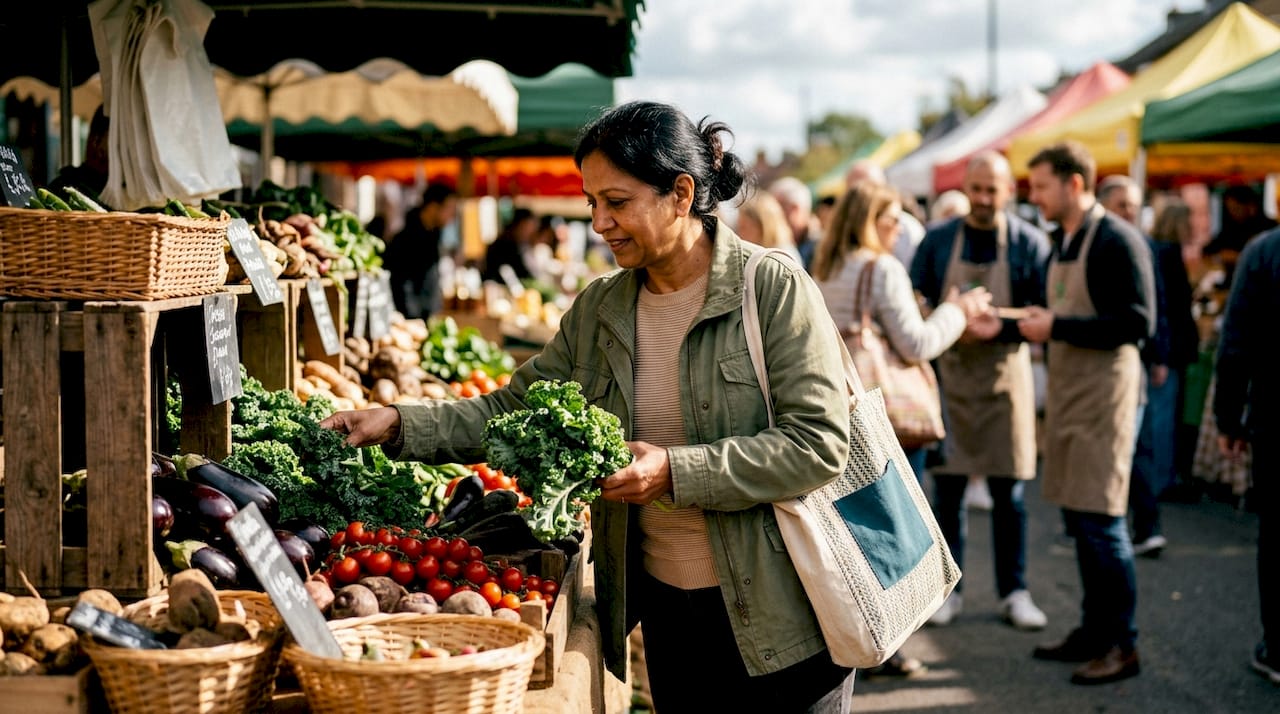
Local markets are one of the most powerful forces shaping how expats settle into life abroad. Whether you are browsing a weekly French marché, a Korean wholesale hall, or a Spanish mercado del barrio, these spaces do far more than supply fresh produce. They offer a window into real daily life, a place to build genuine social connections, and a practical way to manage your budget. For expats living in or relocating to the UK, understanding the role local markets play in your day-to-day routine can genuinely transform how quickly you feel at home.
Here is what local markets give you as an expat:
- Cultural immersion through authentic, community-driven shopping rhythms
- Cost savings on fresh, seasonal produce compared to supermarket prices
- Social connections with vendors and fellow shoppers who become familiar faces
- Language practice in low-pressure, real-world conversations
- Seasonal awareness that reshapes how you cook and eat
- Emotional grounding as new rituals replace the routines you left behind
How local and imported products differ in UK markets
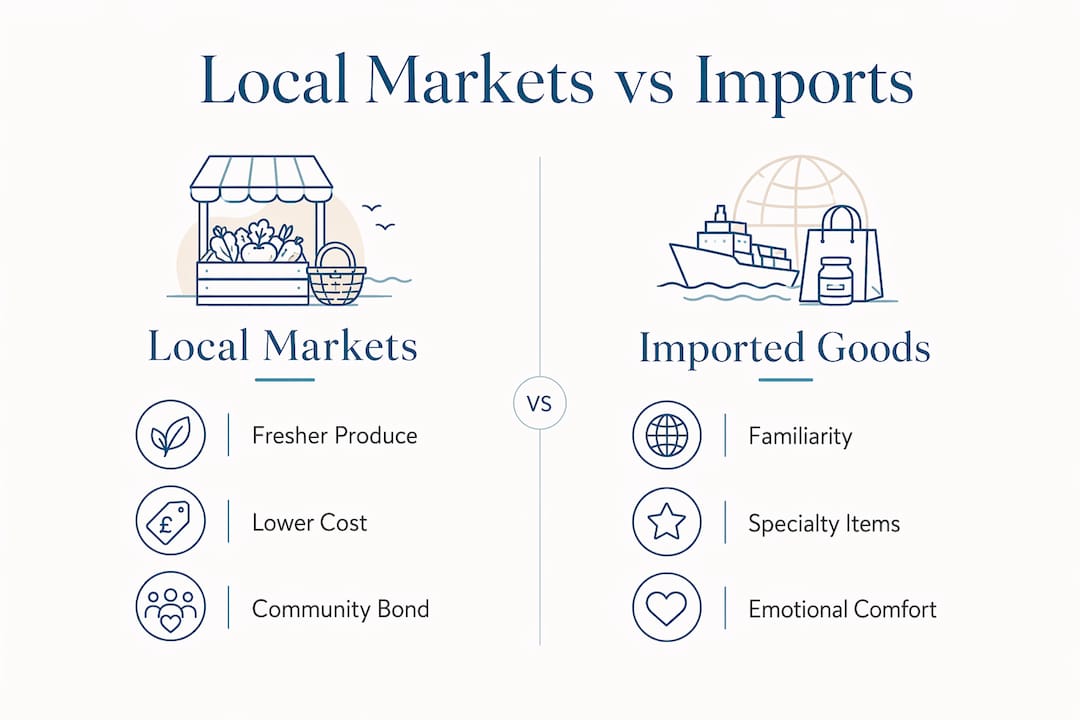
The gap between local and imported goods is wider than most expats expect when they first arrive. Local produce at a farmers’ market or street market tends to be fresher, cheaper, and more reflective of what is actually in season. Imported goods, by contrast, satisfy a very specific craving: the taste of home. Both have a genuine place in your shopping basket, but understanding the trade-offs helps you spend wisely.
Local produce at UK markets is typically sourced from regional farms and arrives within a day or two of harvest. That freshness shows in flavour and shelf life. Supermarkets, on the other hand, prioritise consistency and year-round availability, which often means produce travels further and sits longer before reaching the shelf.
Imported goods carry a premium. Specialist items from your home country, whether a particular brand of olive oil, a specific cheese, or a familiar breakfast cereal, can cost noticeably more in the UK than they would at home. This is sometimes called the “expat tax”: the price you pay for familiarity. A hybrid shopping model that combines local markets for daily essentials with supermarkets for imported comforts tends to work best for most expats.
Practical tips for balancing your purchases:
- Buy fresh and seasonal at the market. Strawberries in june, root vegetables in autumn. Buying in season costs less and tastes better.
- Reserve supermarkets for packaged staples. Cleaning products, imported condiments, and long-life items are often better value there.
- Check local delis and specialist shops. Many UK towns have independent shops stocking European, Asian, or Caribbean produce at fairer prices than supermarket “world food” aisles.
- Ask vendors what is freshest that day. A good market stallholder will tell you honestly, and that knowledge is free.
How local markets help you integrate and build new routines
The shift from viewing shopping as a chore to treating the local market as a social occasion is one of the clearest markers of successful expat integration. Research into community value of markets shows that moving away from a one-stop supermarket mentality towards a decentralised, market-centred shopping ecosystem is key to settling in well. It sounds like a small change. The effect on daily life is anything but.
Markets follow community rhythms, not tourist timetables. They open early, wind down by midday, and reflect the genuine priorities of the people who live nearby. Local markets operate on community schedules that mirror the living patterns of the area rather than visitor expectations. Arriving at 8am on a Saturday morning, basket in hand, puts you squarely in the middle of real local life.
Language acquisition happens naturally here too. Asking a vendor about a cut of meat, negotiating a price, or simply saying good morning in the local language builds confidence faster than any classroom. Vendors are patient, they see expats regularly, and a friendly fumble with vocabulary is met with warmth rather than impatience.
Key ways markets build integration:
- Regular visits create familiar faces. Vendors remember you, ask after your family, and make you feel less like a newcomer.
- Shared rituals form quickly. A Saturday morning market run becomes the kind of weekly anchor that grounds your week.
- Markets reveal genuine local culture. They give a more truthful picture of a community’s culinary life than tourist-facing food halls or supermarkets ever could.
- Social networks grow organically. You meet neighbours, other expats, and locals simply by showing up consistently.
Pro Tip: Start with one stall, not the whole market. Choose a fruit or vegetable vendor, visit every week, and introduce yourself as a new local. Within three or four visits, you will have a standing relationship that makes the whole market feel more welcoming.
Financial and emotional trade-offs between local markets and imports
Fresh produce at local markets can cost 30–50% less than equivalent items at supermarkets, a saving that adds up quickly for expats managing a new household budget. That figure comes from markets in Thailand, but the principle holds across many countries: cutting out the supply chain and buying directly from producers or small traders consistently delivers better value on perishables.

The emotional side of shopping is just as real as the financial one. Imported foods fulfil early emotional needs for familiarity when you first arrive, but lasting comfort tends to come from developing new rituals around fresh market ingredients. The jar of peanut butter from home matters enormously in week one. By month six, the ritual of choosing tomatoes from your regular stallholder carries its own quiet satisfaction.
The “expat tax” is real and worth planning for. Imported goods in specialist shops can run significantly higher than their home-country prices, particularly for branded items. Balancing your budget means being honest about which imports you genuinely need and which ones you are buying out of habit.
Key financial and emotional considerations:
- Track your weekly spend across both sources. Most expats find they overspend on imports in the first few months before adjusting.
- Identify your non-negotiable imports. Some items are worth the premium for your wellbeing. Others are habit. Knowing the difference saves money.
- Let seasonal market shopping replace some comfort purchases. A perfectly ripe peach from a local stall in july can do more for your mood than a familiar brand from home.
- Budget for both. A realistic expat food budget accounts for a mix of local market staples and occasional imported treats.
Challenges expats face with unfamiliar products and healthcare shopping
Unfamiliar product labelling is one of the first practical hurdles you encounter as an expat. Ingredients lists, allergen warnings, and nutritional information follow different formats in different countries, and even within the UK, regional products can carry terminology that takes time to decode. Reading labels carefully and using translation apps like Google Translate for any unclear terms is a straightforward starting point.
Healthcare and dietary products present a more specific challenge. If you rely on a particular medication, supplement, or specialist food product, availability in your host country cannot be assumed. Some items available over the counter at home require a prescription elsewhere. Others simply are not stocked. Registering with a local GP early and discussing your existing healthcare needs gives you the clearest picture of what you can source locally and what you may need to import or substitute.
Local markets and independent health food shops often carry products that large supermarkets do not. Specialist dietary items, traditional herbal remedies, and culturally specific ingredients tend to appear at market stalls run by vendors from the same community. Expat forums and local Facebook groups are genuinely useful here: someone has almost certainly already found where to buy what you are looking for.
Practical steps for navigating unfamiliar products:
- Photograph labels and translate at home. Do not rush decisions about unfamiliar ingredients in the aisle.
- Ask vendors directly. Market stallholders often know their products in detail and welcome questions.
- Join local expat community groups. Shared knowledge about where to source specific products saves considerable time.
- Speak to a pharmacist early. UK pharmacists are accessible and well-informed about substitutions for medications you may have used at home.
- Build a trusted list of local suppliers. Once you find a reliable source for a specialist product, note it down and return regularly.
What expats who shop locally say about UK life and community
The psychological shift that happens when you start treating the market as a social space rather than a transaction point is one of the more profound changes in expat life. Markets function as social infrastructure, offering news, informal credit, and community support that no supermarket can replicate. Vendors talk to dozens of people daily. They know what is happening locally before it appears anywhere online.

Expats who make local markets a weekly habit consistently describe the same progression: initial awkwardness gives way to recognition, recognition gives way to warmth, and warmth gives way to a genuine sense of belonging. The visible authenticity of local markets, built around functional daily needs rather than tourist appeal, lets you see past the surface of a new place and understand how people actually live. That is something no guidebook or supermarket aisle can offer.
The psychological pivot to prioritising markets marks a genuine shift in an expat’s relationship with their host culture, moving from visitor to local participant. It is not a dramatic moment. It tends to arrive quietly, on an ordinary Tuesday morning, when the cheese vendor waves before you have even reached the stall.
Key insights from expats who have made local markets central to their routine:
- Shopping becomes a social event, not an errand. Conversations with vendors and neighbours replace the isolation that many expats feel in their first months.
- Markets reveal the real rhythm of local life. Early mornings, seasonal produce, and the unhurried pace of a market visit reflect how the community actually operates.
- Vendor relationships become a form of local knowledge. A trusted stallholder will tell you what is worth buying this week, which is practical intelligence you cannot find on a supermarket shelf.
- The market visit anchors your week. Regular attendance creates the kind of routine that makes a new place feel genuinely like home.
Pro Tip: Spend your first few market visits simply observing. Watch which stalls draw the longest queues, note what locals are buying, and listen to how they interact with vendors. That observation period shortens your learning curve considerably and makes your first real purchases far more confident.
If you are drawn to a lifestyle where the local market experience is woven into your daily routine, the Vendée region of France offers exactly that. Weekly markets in towns like Apremont and Saint-Gilles-Croix-de-Vie bring together local producers, seasonal ingredients, and a community atmosphere that expats find genuinely welcoming. Caravansinfrance specialises in pre-owned mobile homes in Vendée, placing you within easy reach of these markets and the relaxed coastal lifestyle that surrounds them. No complex legalities, no hidden fees, and a straightforward buying process that gets you settled and shopping locally as quickly as possible.

Key takeaways
Local markets are not simply a cheaper alternative to supermarkets; they are the primary social and cultural infrastructure through which expats move from outsider to participant in their host community.
| Point | Details |
|---|---|
| Markets accelerate integration | Regular market visits build vendor relationships and social routines faster than any other daily activity. |
| Fresh produce costs less | Local market produce can cost 30–50% less than supermarket equivalents, easing the expat budget. |
| Imports serve emotional needs | Familiar imported goods provide comfort early on, but new market rituals gradually replace that dependency. |
| A hybrid model works best | Combining local markets for fresh essentials with supermarkets for packaged imports balances savings and wellbeing. |
| Markets reflect real local life | They show how a community actually lives, offering cultural insight that tourist-facing venues and supermarkets cannot match. |