Role of local markets in the expat lifestyle
Discover the role of local markets in expat lifestyle. Cut costs, learn culture, and build community connections from day one.
Role of local markets in the expat lifestyle
Local markets are the single most effective tool an expat has for cutting costs, learning a culture, and building genuine community ties from day one. The role of local markets in expat lifestyle goes far beyond shopping. Markets reveal how a place actually works: what people eat, when they eat it, how they negotiate, and who they trust. For expats relocating to France or anywhere abroad, understanding this is the difference between living in a place and truly belonging to it.
How local markets benefit expats financially
The financial case for local markets is clear and immediate. Combining bulk shopping at warehouse stores with regular local market visits reduces monthly grocery costs significantly. In Phuket, expats who adopt this dual approach save 2,000–4,000 THB per month on groceries alone. That is a meaningful sum when you are still finding your financial footing in a new country.
The savings are not limited to Southeast Asia. Seoul’s Garak Market sells fresh produce, seafood, and meat at prices 30–50% lower than standard supermarkets, particularly during evening sales after 17:00. In Cuenca, Ecuador, local daily markets offer fresh cooked meals for $2.50–$3.50, a fraction of what imported supermarket goods cost. The pattern holds across continents: local markets price for local incomes, and expats who use them benefit directly.
The smartest expat shoppers combine sources rather than relying on one:
- Warehouse or bulk stores for non-perishables, cleaning products, and staples bought monthly
- Local markets for fresh fruit, vegetables, fish, and bread bought two or three times a week
- Specialist import shops only for specific items from home that genuinely cannot be substituted
Pro Tip: Visit wholesale markets in the early morning for the widest selection, or return in the evening for discounted end-of-day stock. At Garak Market, the window between 17:00 and 21:00 consistently offers the best prices on fresh produce.
Premium import supermarkets serve a purpose, but relying on them as your primary source is expensive. They price for convenience and nostalgia, not value. Expats who shift even half their fresh food shopping to local markets notice the difference in their monthly budget within weeks.
In what ways do local markets facilitate cultural integration?
Markets offer the most honest cultural insight because they operate primarily for residents, not tourists. The stalls, the produce, the pricing, and the social rituals are all calibrated for local life. When you shop at a market, you see what people actually eat, not what they perform for visitors.
Cultural adaptation through markets happens gradually and naturally. You notice which vegetables appear in autumn and disappear by spring. You observe that the fishmonger arrives at 7:00 AM and sells out by 9:00 AM. You learn that the cheese vendor expects a greeting before a transaction, and that rushing the exchange signals disrespect. These are not lessons you find in a guidebook.
“Transitioning from big-box retail dependency to hyper-local market ecosystems is the defining shift for expats seeking an authentic experience in Southern Europe. Weekly markets are the heartbeat of seasonal produce and local specialties — and the place where real cultural learning happens.”
Southern Europe makes this particularly vivid. The Artisan Commerce Pivot concept describes the shift expats must make from big-box retail habits to hyper-local market rhythms. It is not just a shopping change. It is a recalibration of how you think about food, time, and community.
Food adaptation is particularly telling. Eating like a local is shaped by cost, access, work schedules, and neighbourhood context. Expats who engage with markets tend to adopt local meal timing and seasonal eating patterns more quickly than those who stick to supermarkets. The market makes local food the path of least resistance.
The key markers of genuine cultural integration through markets include:
- Learning five to ten words in the local language specifically for market transactions
- Recognising seasonal produce cycles and adjusting meals accordingly
- Greeting vendors by name and accepting small talk as part of the exchange
- Paying in cash and carrying your own bag, as locals do
There is a meaningful difference between performing local habits and genuinely adopting them. The market is where that gap closes, because the environment demands real participation.
How do local markets serve as social hubs for expats?
Markets function as informal community centres. The social capital you build at a market stall is real and practical. Becoming a regular at market stalls earns you better service, reserved products, and insider information that no app or guidebook provides. Vendors remember faces. They set aside the best cuts, warn you when prices are about to rise, and introduce you to other regulars.
This social dynamic is especially valuable for expats who arrive without an existing network. The market gives you a reason to return to the same place, speak to the same people, and build familiarity over time. That repetition is the foundation of trust in most cultures.
Here is how to build that social presence deliberately:
- Choose two or three stalls and return to them every week rather than spreading your spending across many vendors.
- Greet vendors in the local language every time, even if the rest of the conversation happens in English or French.
- Ask questions about the produce. “How do I cook this?” opens more doors than any formal introduction.
- Pay promptly and without haggling on small purchases. Negotiation has its place, but petty bargaining on a bunch of carrots signals disrespect.
- Accept recommendations. When a vendor suggests something, try it. That willingness builds goodwill faster than anything else.
Markets also function as information networks. You learn which local doctor is reliable, which plumber is honest, and which neighbourhood event is worth attending. This informal intelligence is genuinely useful, and it flows most freely once you are a known face.
Pro Tip: Carry cash in small denominations every time you visit. Many market vendors do not accept cards, and fumbling with large notes slows the queue and signals that you are not yet part of the rhythm.
The social dynamics at markets also reflect broader class and cultural structures. Observing who shops where, and how transactions unfold, gives you a map of local social life that no formal orientation can replicate. Markets show you real daily life in a way that tourist attractions and expat social clubs simply do not.
What practical strategies help expats get the most from local markets?
Timing and preparation make the difference between a frustrating first visit and a genuinely productive one. Market timing is critical: the best produce appears early, and the best prices often appear late. Arrive early for selection, or late for discounts. Arriving at midday typically means neither.
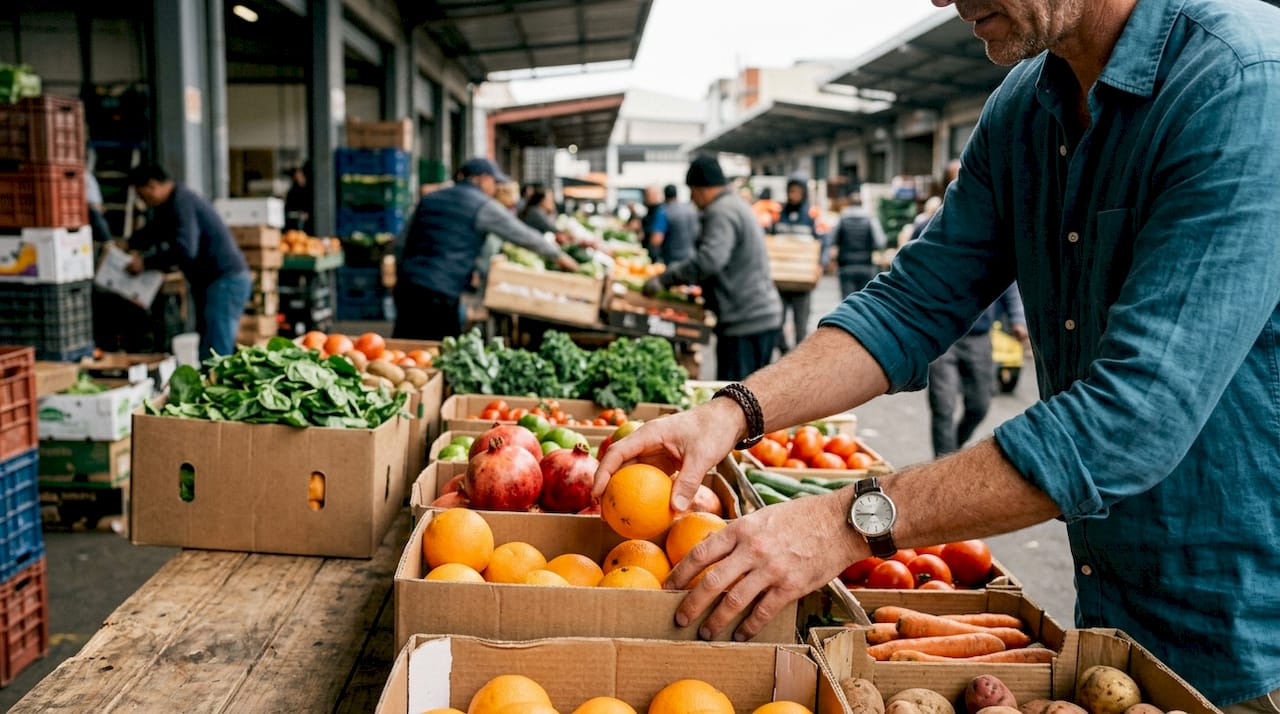
Successful market shopping also requires respecting local norms such as not handling produce without permission, greeting vendors before asking prices, and carrying your own bag. These are not optional courtesies. They are the entry fee to being treated as a local rather than a tourist.
| Strategy | Benefit |
|---|---|
| Visit early morning | Best selection of fresh produce before popular items sell out |
| Return for evening sales | Discounted end-of-day stock at wholesale markets |
| Carry a wheeled shopping bag | Handles volume comfortably without straining on foot |
| Pay in cash, small notes | Speeds transactions and signals market familiarity |
| Start by observing | One visit without buying reveals local norms before you commit |
| Combine with bulk shopping | Balances cost savings with convenience for non-perishables |
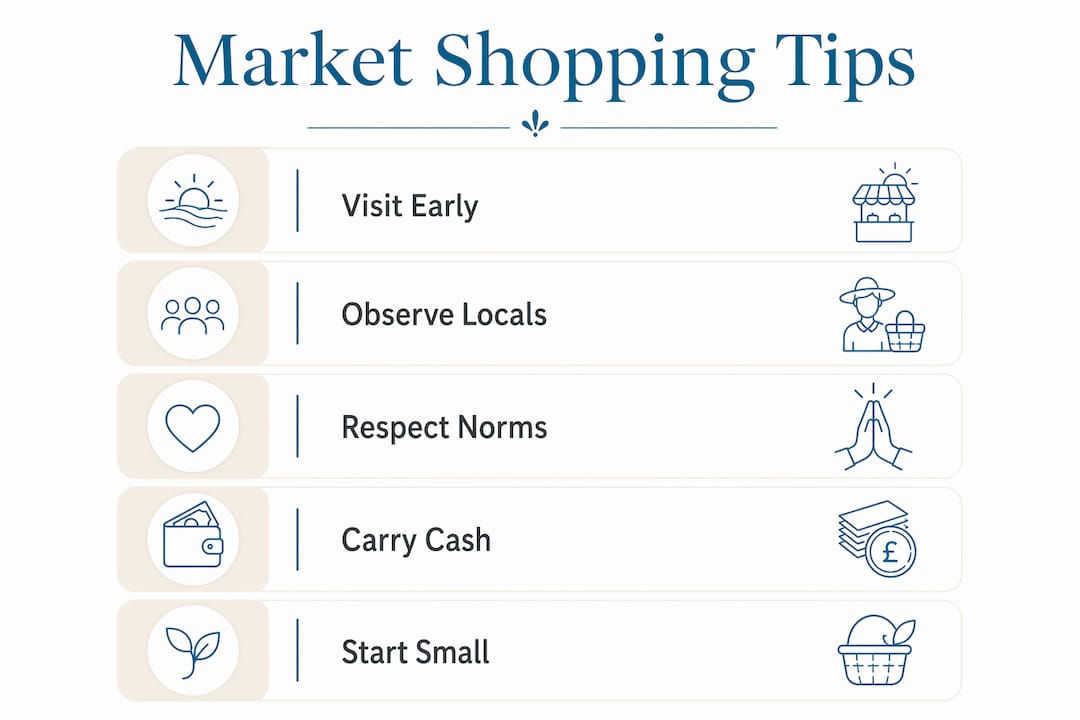
Start small. Your first two or three visits should be observational. Watch how locals interact with vendors, how produce is handled, and how prices are quoted. Then begin buying from one or two stalls. Expand gradually as you build confidence and relationships.
Integrating market shopping with other grocery sources is the most sustainable approach. The hybrid model of preserving some home food habits while adopting local patterns supports both wellbeing and social integration. You do not need to abandon everything familiar. You simply make local markets the centre of your fresh food routine.
Key takeaways
Local markets are the most direct route to financial savings, cultural understanding, and social belonging for expats living abroad.
| Point | Details |
|---|---|
| Financial savings are immediate | Combining bulk stores with local markets cuts monthly grocery costs across multiple countries. |
| Markets reveal authentic culture | They operate for residents, not tourists, making them the clearest window into daily local life. |
| Social capital builds through repetition | Returning to the same stalls weekly earns trust, better service, and informal community access. |
| Timing determines value | Early morning visits maximise selection; evening visits at wholesale markets maximise savings. |
| Observation before participation | Watching local norms for two or three visits before buying prevents costly social missteps. |
Markets changed how I think about belonging abroad
I used to think cultural integration was about language classes and expat meetups. Markets taught me otherwise. The first time a vendor in the Vendée set aside a punnet of strawberries because he knew I would be in on Saturday morning, I realised something had shifted. That small act of recognition meant more than any formal welcome.
What markets give you is not just cheaper tomatoes or fresher fish. They give you a rhythm. You start to know which weeks the asparagus appears, which vendor stays open in the rain, and which stall has the best goat’s cheese. That knowledge is local knowledge. It is the kind that takes time and cannot be downloaded.
The expats I have seen struggle most are those who treat markets as a novelty rather than a routine. They visit once, find it charming, and then return to the supermarket because it is easier. The ones who thrive make the market a weekly anchor. They build relationships slowly, accept the occasional confusion with good humour, and let the market set the pace.
My honest view is that the market is the single best indicator of whether an expat is genuinely settling in or just passing through. If you know your vendors by name, you are home. If you still find the whole thing slightly overwhelming, give it another month. The rhythm comes.
You can read more about life on the campsite in the Vendée to get a feel for how community and local market culture weave together in daily French living.
— Ludo
Living near a market: how Caravansinfrance makes it easy
The Vendée is one of France’s most rewarding regions for expats who want genuine local market culture as part of daily life. Weekly markets in towns across the region sell fresh seasonal produce, local cheeses, charcuterie, and artisan goods that reflect the area’s strong agricultural identity. Owning a home here means the market is not a day trip. It is part of your Tuesday morning.

Caravansinfrance offers ready-to-move-in mobile homes at Camping Les Prairies du Lac in Apremont, Vendée. The buying process is straightforward, with no hidden fees or property taxes to worry about. If you want a home in the Vendée that puts you close to authentic French market life from the moment you arrive, Caravansinfrance is worth a look. The lifestyle is already there. You just need the right base to enjoy it.
FAQ
What is the role of local markets in expat lifestyle?
Local markets give expats access to affordable fresh food, authentic cultural experiences, and social connections with local residents. They function as community hubs that accelerate integration far more effectively than supermarkets or expat-focused shops.
How much can expats save by shopping at local markets?
Savings vary by location. In Phuket, expats combining bulk shopping with local market visits save 2,000–4,000 THB per month on groceries. Seoul’s Garak Market offers prices 30–50% lower than supermarkets during evening sales.
How do local markets help with cultural adaptation?
Markets operate for residents rather than tourists, which means they reflect genuine local food habits, seasonal rhythms, and social customs. Regular visits teach expats language basics, local etiquette, and seasonal eating patterns organically.
What are the best times to visit local markets abroad?
Early morning visits offer the widest selection of fresh produce. Evening visits to wholesale markets, such as Garak Market between 17:00 and 21:00, offer the best discounts on end-of-day stock.
How do expats build relationships with market vendors?
Return to the same two or three stalls each week, greet vendors in the local language, pay in cash, and ask questions about produce. Becoming a recognisable regular earns better service, reserved stock, and informal community access over time.